What Is AI Vending?
Updated August 2026 · Editorial Team · 6 min read
AI vending is unattended retail where computer vision (or smart lockers) identifies what a customer takes and charges automatically. No dials, coils, or cash drawers.
On this page
TL;DR
AI vending uses cameras and recognition software to see what a shopper takes from an open shelf or fridge, then bills them automatically. It turns a vending unit into a miniature store that can sell fresh food, meals, and premium items.
What is AI vending?
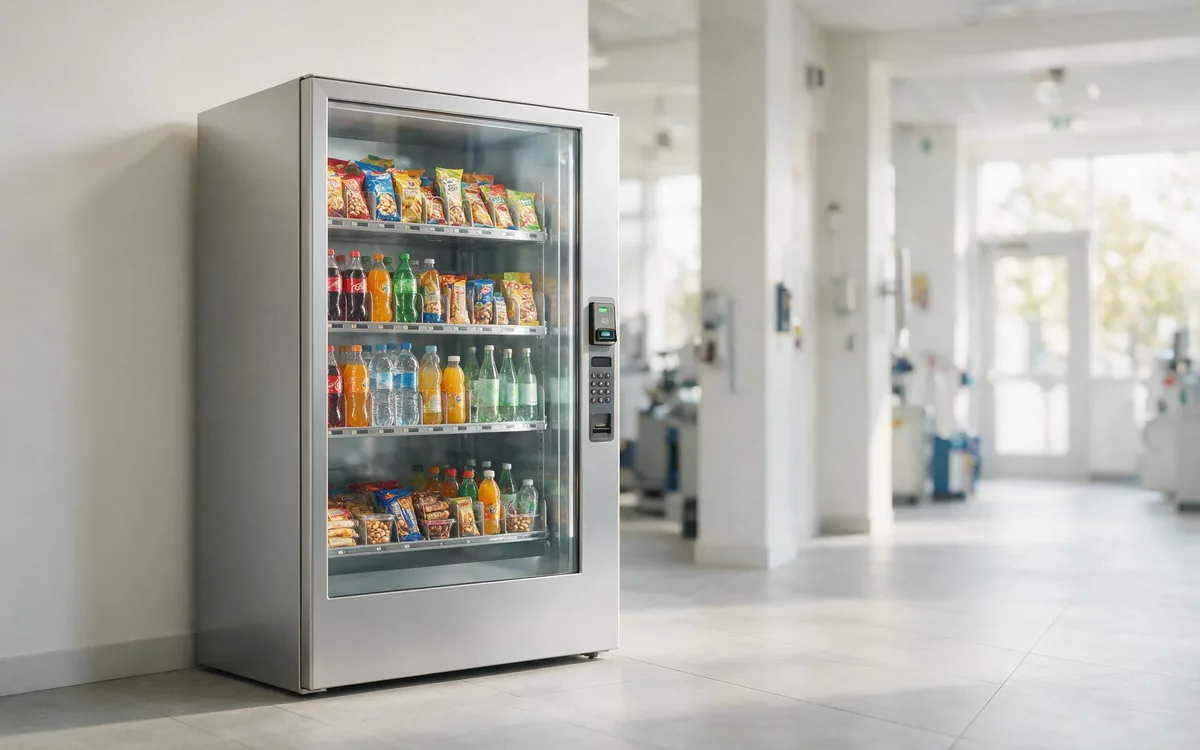
Traditional vending sells packaged items that fit a coil or a carousel. AI vending sells whatever fits on a shelf, which is why operators describe it as a micro-store rather than a vending machine.
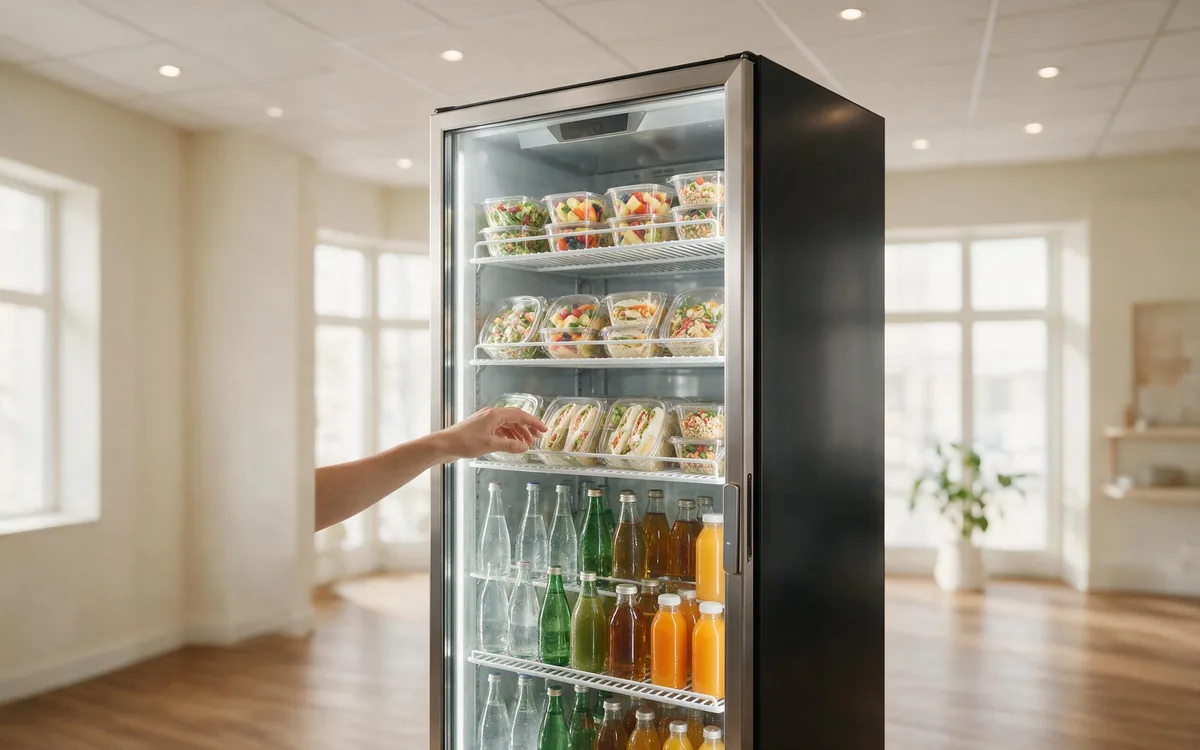
- Smart fridge vending: a glass-door cooler with cameras and weight sensors.
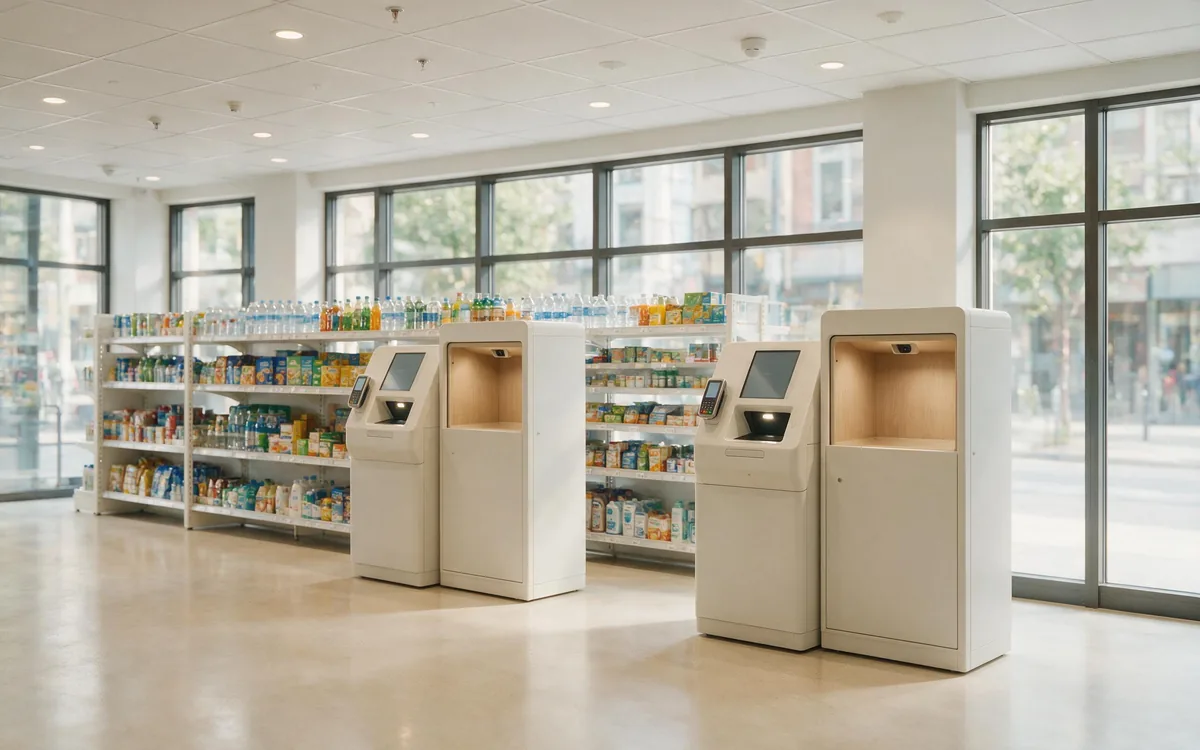
- AI smart lockers: scan, open a compartment, close, pay.
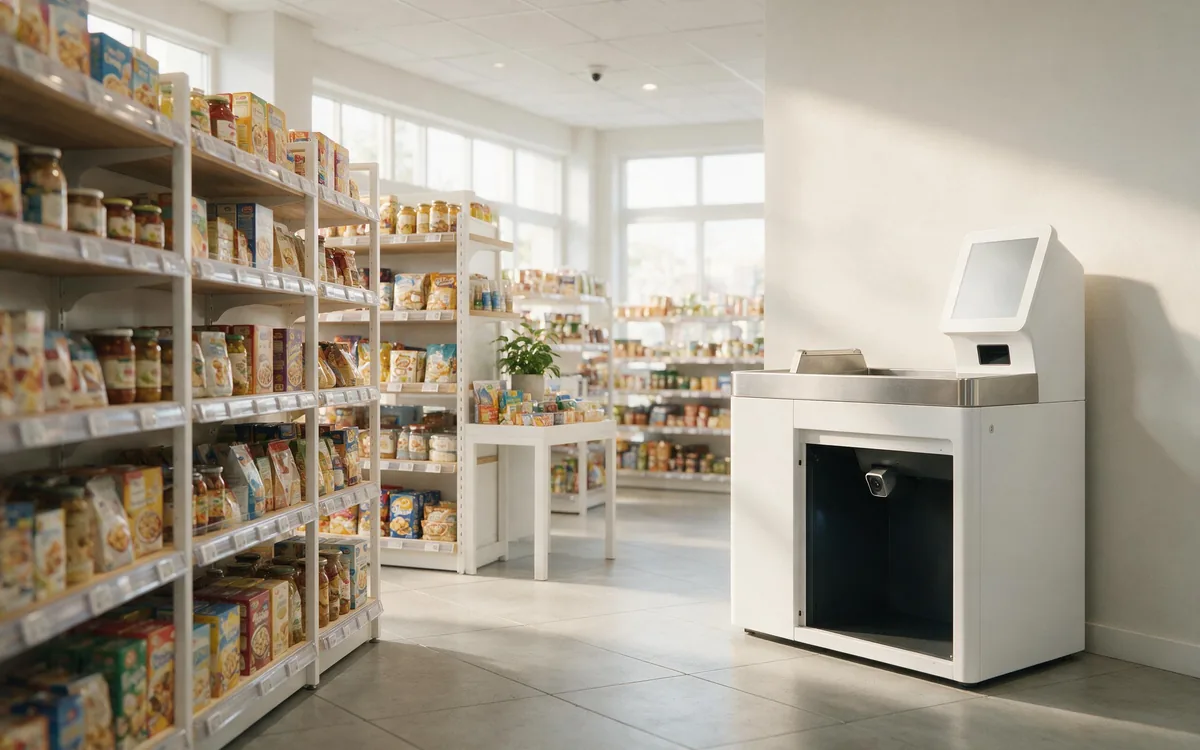
- Robotic vending: a robotic arm picks the ordered item.
How it works
- The customer opens the door or scans a QR code to identify themselves.
- Cameras and shelf sensors record the shelf before, during, and after the visit.
- A recognition model detects which products left the shelf and which were returned.
- The system builds a basket and charges the customer's card or app wallet.
- Inventory, sales, and pricing sync to a cloud dashboard in real time.
Two main form factors
| Form factor | How it works | Best for |
|---|---|---|
| Smart fridge vending | Glass-door fridge with computer vision | Fresh food, drinks, offices, gyms |
| AI smart locker | Scan, open a compartment, close, pay | Pre-orders, controlled pickup, larger items |
Where it is used
- Offices and co-working spaces for breakfast, lunch, and snacks.
- Gyms and fitness clubs for protein shakes and recovery drinks.
- Universities and student housing for late-night food access.
- Hotels, hospitals, and airports for 24/7 essentials.
Pros vs. limitations
| Pros | Limitations |
|---|---|
| Sells fresh and large items coils cannot handle | Higher hardware cost than spiral machines |
| Less mechanical wear, fewer jams | Recognition accuracy varies by product mix |
| Real-time inventory and data | Needs reliable network and power |
| Higher basket sizes at good locations | Newer category, fewer service technicians |
Cost reference
A full AI vending unit typically costs $6,000 to $15,000 depending on size, cooling, and software. Monthly fees for payment and telemetry usually add $10 to $40 per machine.
Common misconceptions
- It only works with small snacks. In practice it sells salads, meals, drinks, and even non-food items.
- It needs an employee to manage it. Most operations run from a cloud dashboard with scheduled restocking.
- It is a gimmick. The economics come from higher basket sizes and lower mechanical failure, not novelty.