What Is Smart Retail?
Updated August 2026 · Editorial Team · 6 min read
Smart retail uses technology to automate, measure, and personalize physical commerce. AI vending is one of its fastest-growing formats.
On this page
TL;DR
Smart retail combines sensors, cameras, payments, and software to run physical stores with less labor and better data. It covers everything from electronic shelf labels to checkout-free stores.
What is smart retail?
Retail has always been about location, product, and service. Smart retail adds a fourth layer: data. Cameras and sensors capture what happens in the store, and software turns that into restocking, pricing, and layout decisions.
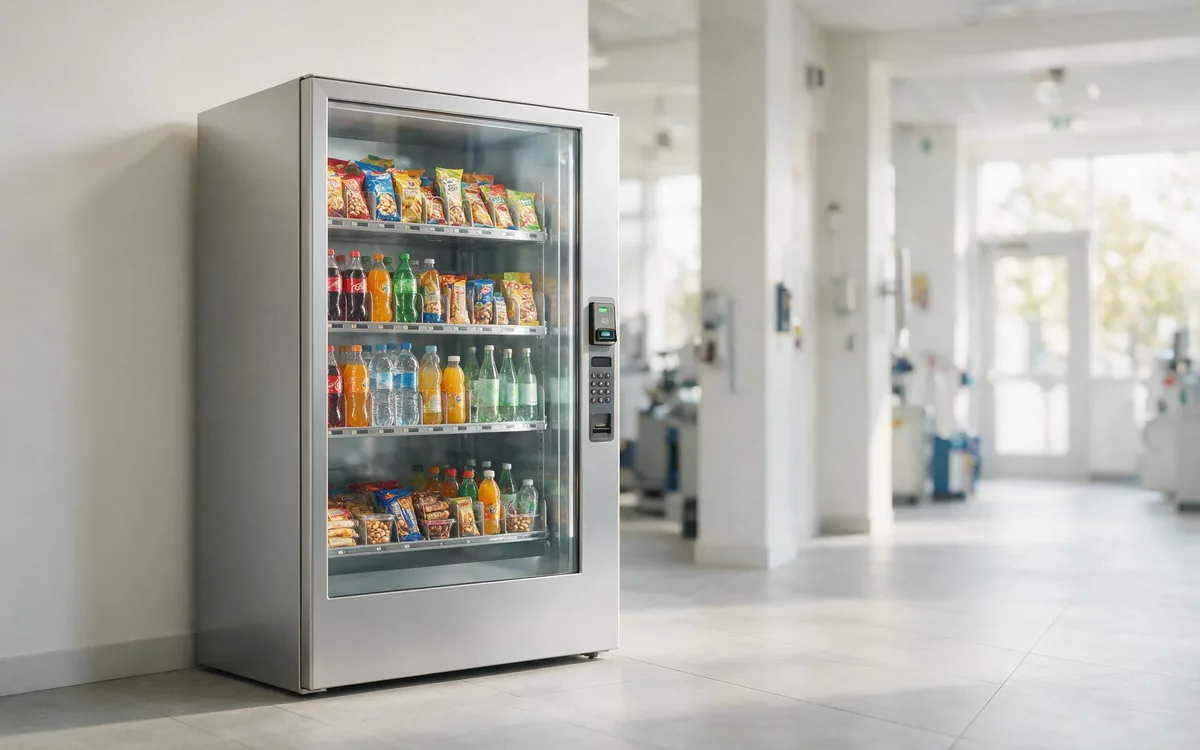
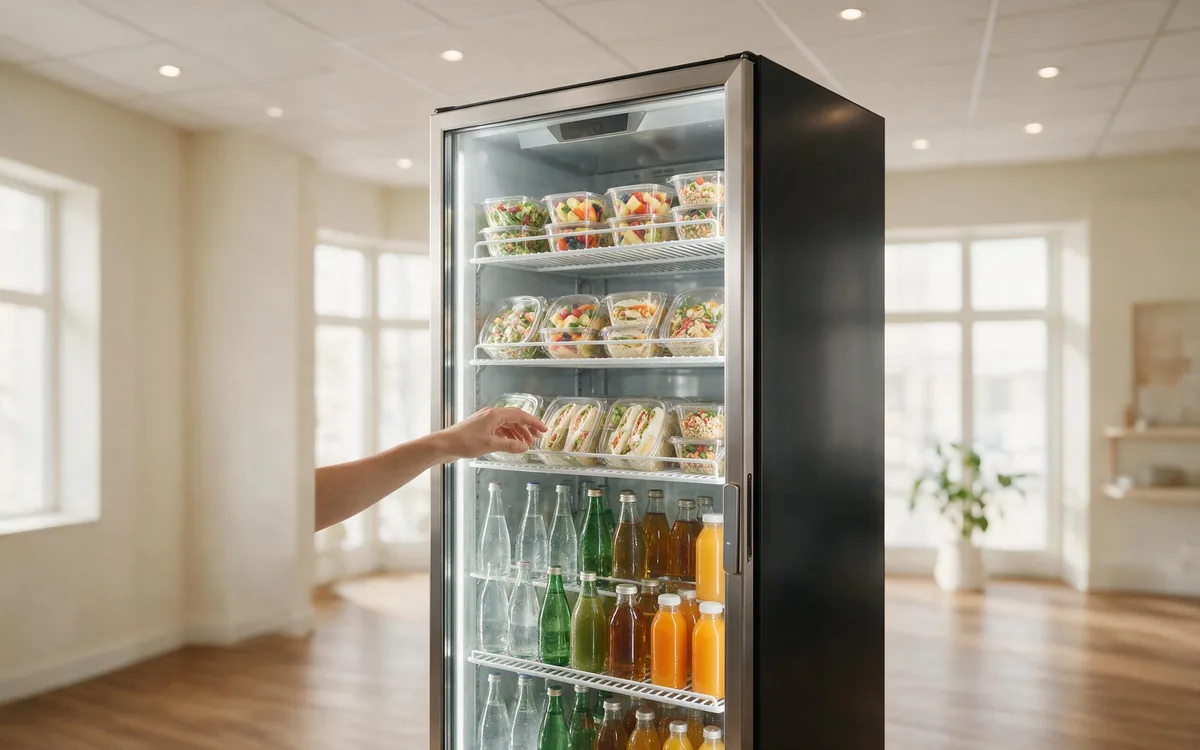
- Unattended formats: AI vending, smart coolers, micro markets.
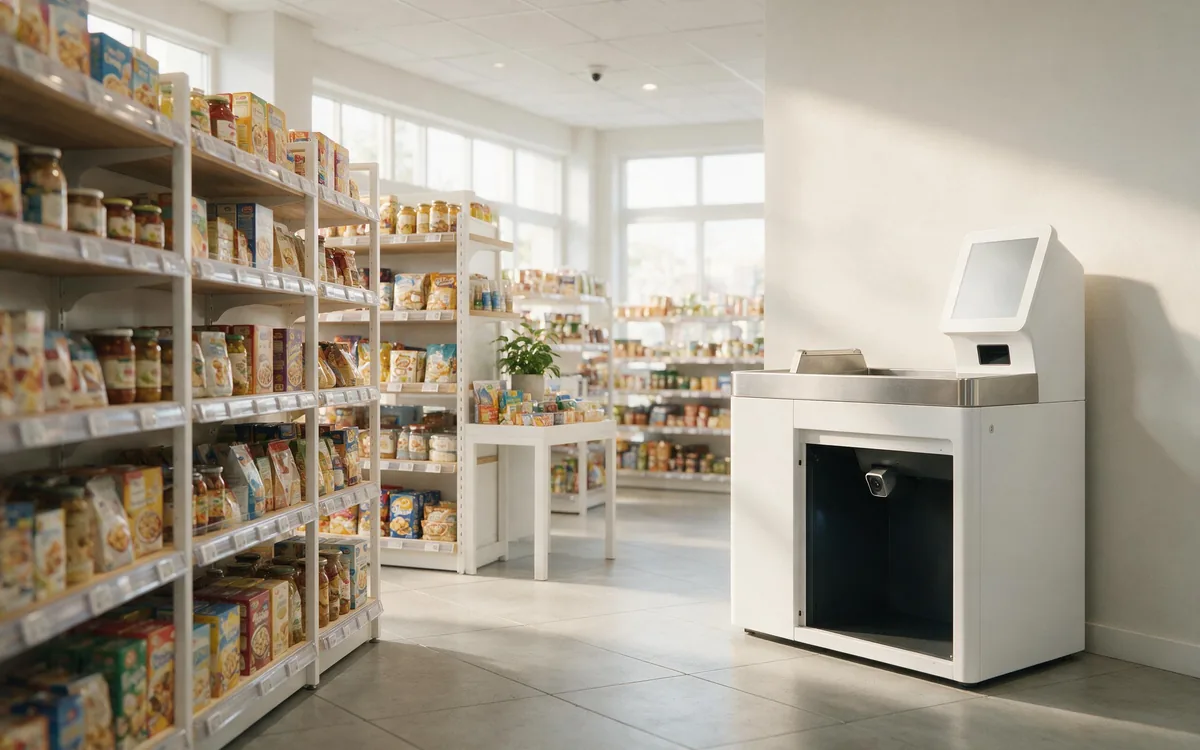
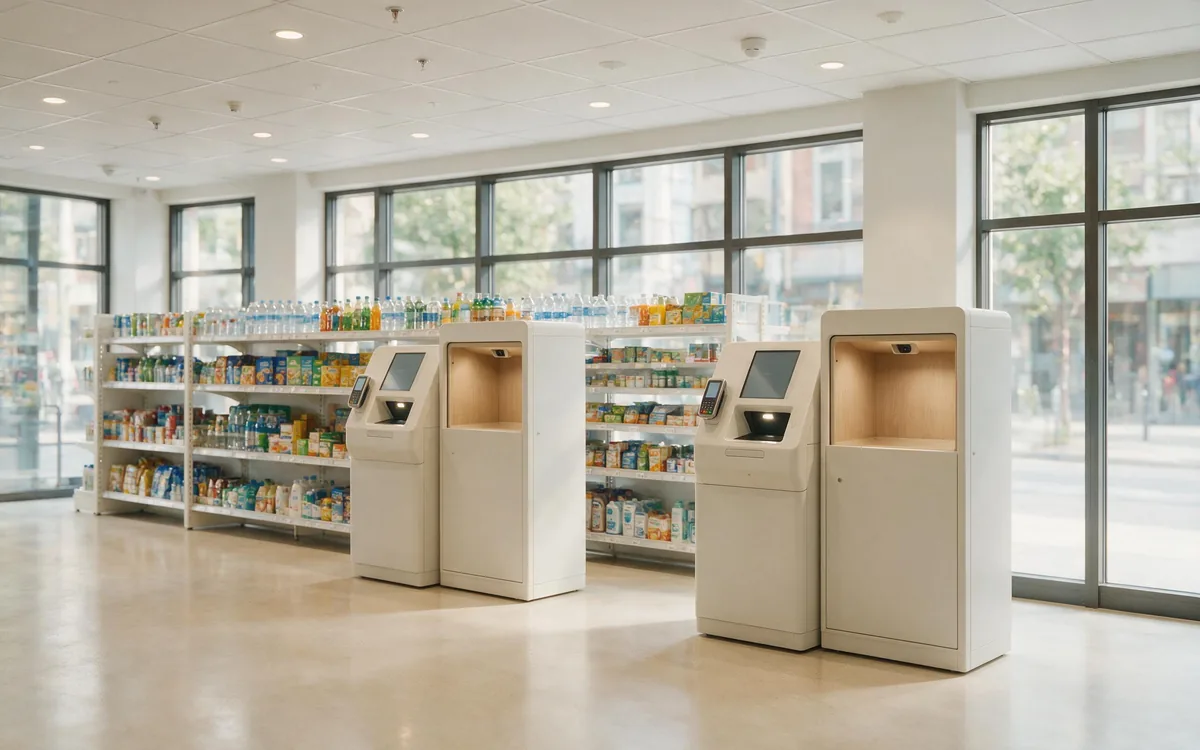
- Checkout innovation: self-checkout, scan-and-go, computer-vision checkout.
- Operations tools: inventory tracking, demand forecasting, electronic shelf labels.
How it works
- Sensors and cameras capture footfall, shelf activity, and transactions.
- Software processes the data into inventory counts, sales trends, and loss alerts.
- Operators act remotely: adjust pricing, plan restocking, spot theft.
- Shoppers get a faster, more personal experience with fewer queues.
The technology stack
| Layer | Examples | What it does |
|---|---|---|
| Hardware | Cameras, coolers, kiosks, shelves | Captures physical activity |
| Recognition | Computer vision, weight sensors, RFID | Identifies products and behavior |
| Payments | Card readers, app wallets | Enables cashless checkout |
| Software | Cloud dashboards, telemetry | Runs the operation remotely |
Where it is used
- Convenience and grocery for faster checkout.
- Offices, gyms, and campuses for unattended food access.
- Hotels and venues for 24/7 guest essentials.
- Quick-service restaurants for ordering and pickup automation.
Why operators are adopting it
- Labor is the biggest controllable cost in retail, and automation cuts it directly.
- Real-time data reduces waste and out-of-stocks.
- Shoppers increasingly expect card-only, queue-free experiences.
- Margins improve when theft and shrinkage are visible immediately.
Pros vs. limitations
| Pros | Limitations |
|---|---|
| Lower labor dependency | Upfront technology cost |
| Better inventory visibility | Integration complexity with legacy systems |
| Data for pricing and restocking | New skills needed to run dashboards |
Where AI vending fits
AI vending is the entry-level smart retail format: one unit, low footprint, quick deployment. It lets operators learn the data model of smart retail before committing to a full store conversion.