AI Vending for Apartments
The scenario
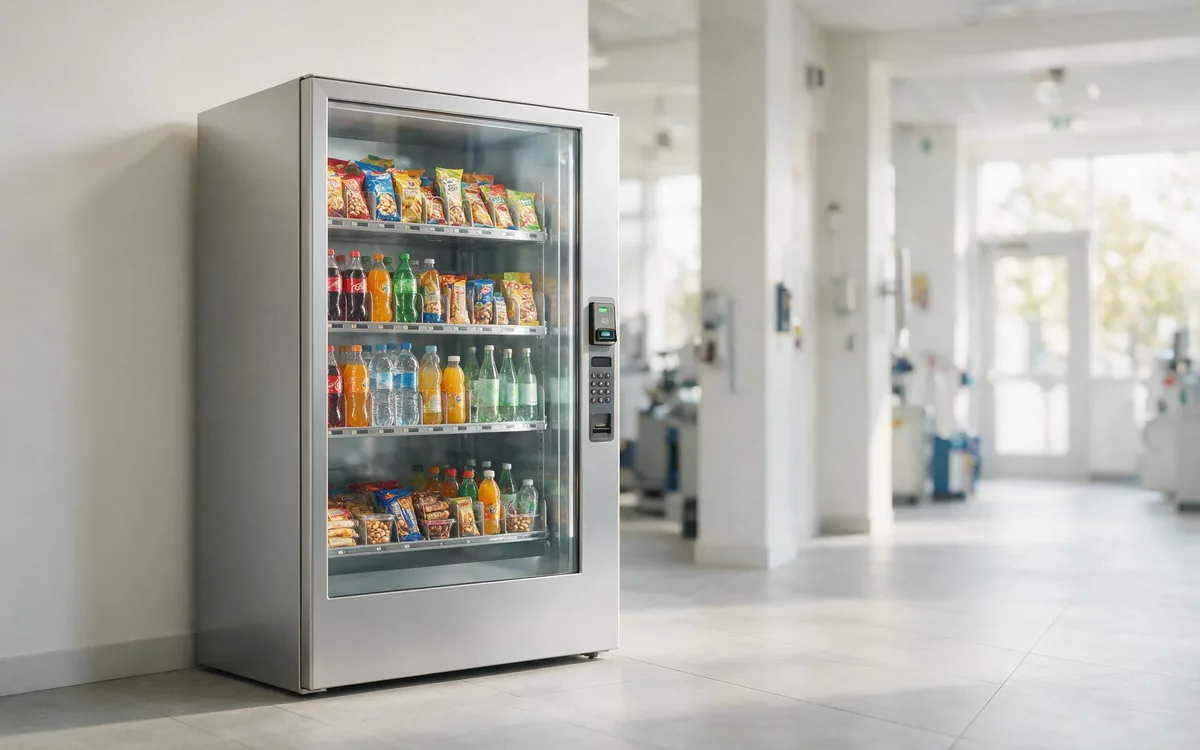
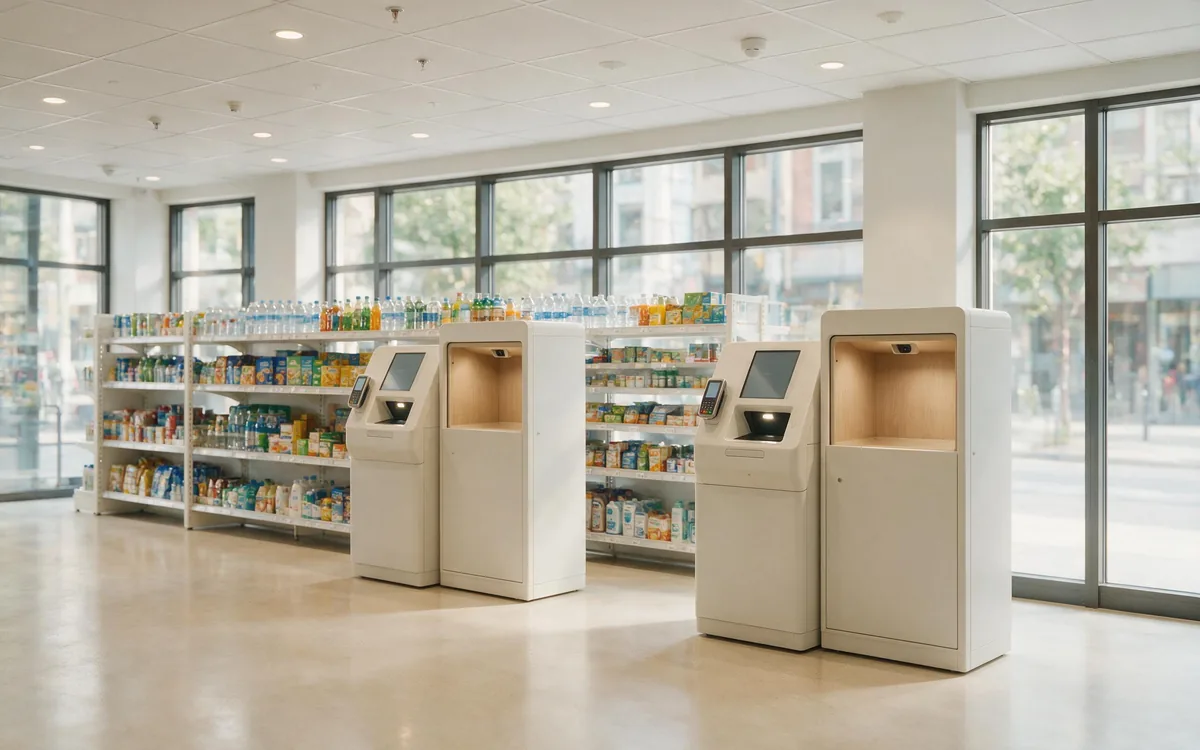
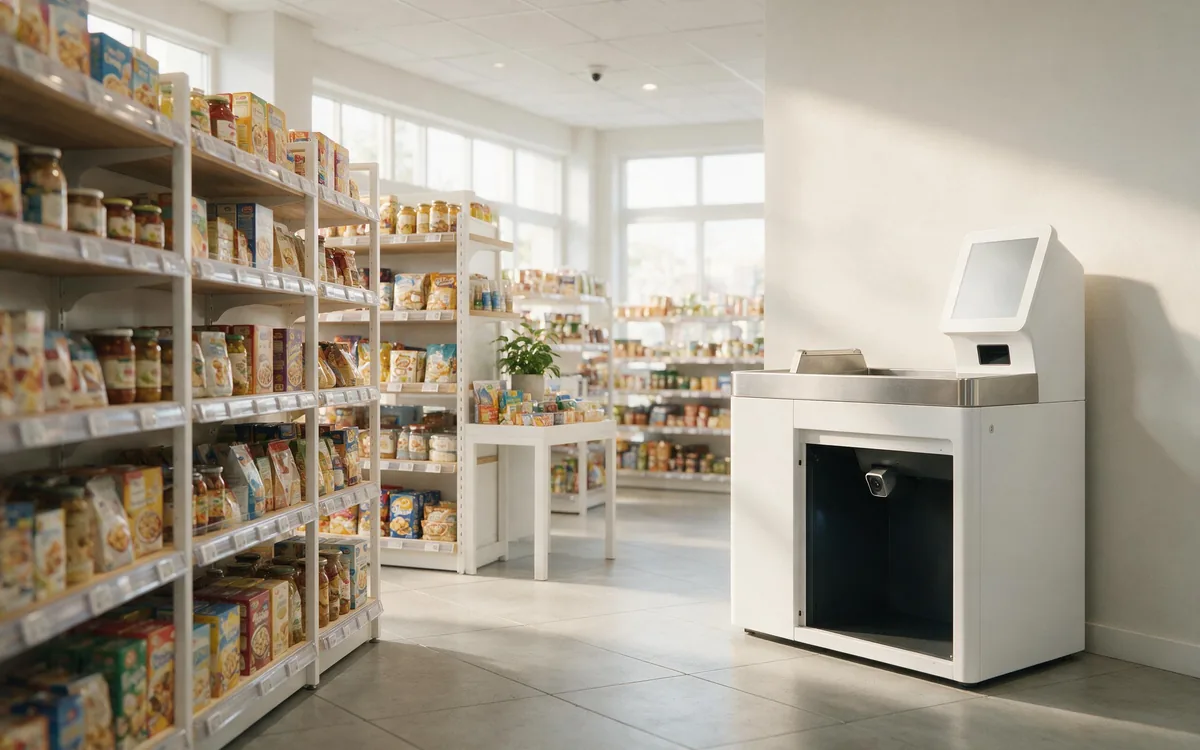
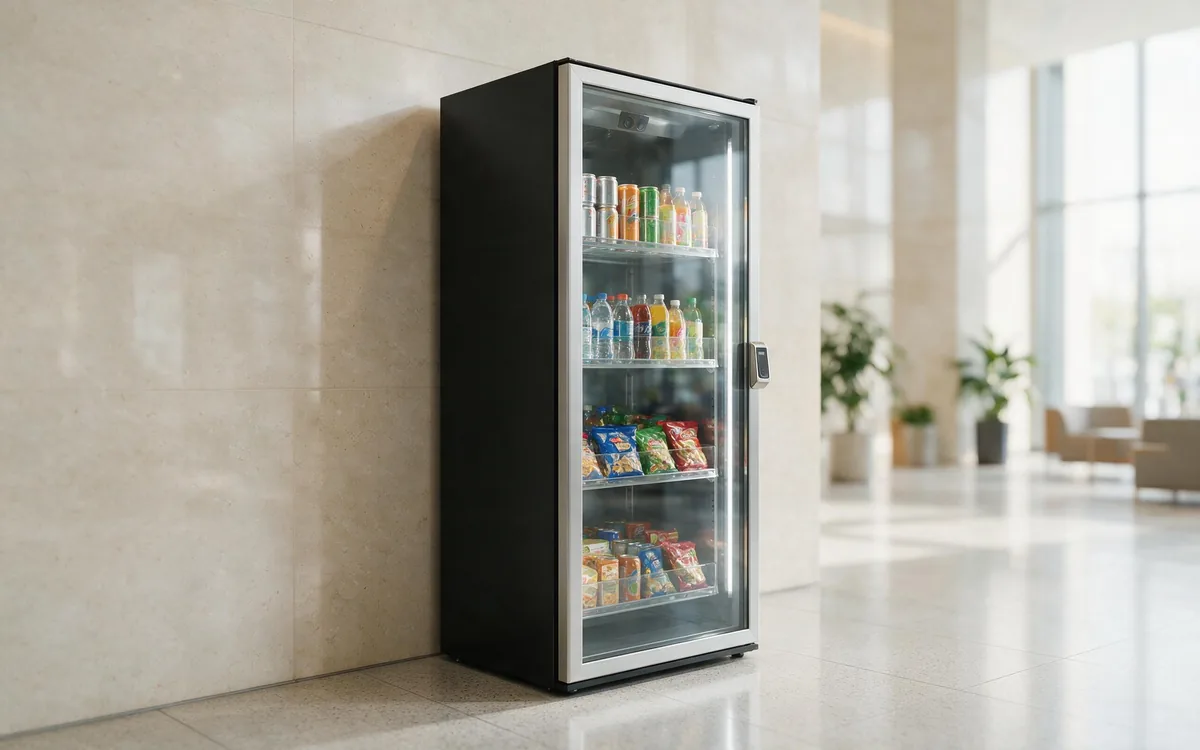
Most apartment buildings have no on-site retail at all. Residents forget essentials, run out of snacks mid-week, or want a drink at midnight — and the only way to buy it is to leave the building. Once they leave, the building loses that spend, and the resident loses time and convenience. AI vending turns an unused corner of the lobby, package room, or clubhouse into a small 24/7 convenience stop that runs with no staff.
For property managers, the appeal goes beyond revenue. A well-run unit reads as an amenity: it answers the "is there anywhere to grab a snack?" question on leasing tours, keeps residents on-site for small purchases, and costs the building almost nothing in labor. The operator handles stocking, maintenance, and payments; the property typically earns a revenue share on sales.
Who you are serving
Most purchases are small, frequent, and driven by routine. Four groups use the unit, and each one shapes what you stock:
- Residents. The daily users — coming home from work, a late-night craving, or a forgotten household item.
- Property managers and owners. They care about amenity value, tenant retention, and clean, quiet common areas — not just gross sales.
- Staff and contractors. Maintenance and front-desk staff buy throughout the day, adding steady volume.
- Pets. A large share of apartment dwellers have dogs or cats. Pet treats and poop bags turn the unit into the building’s emergency pet shop.
The pain points are consistent across buildings: no nearby retail, after-hours gaps, the "forgot it" moment, and the unwillingness to leave for one small item. Each is a purchase AI vending captures automatically.
Why AI vending fits
- Residents buy often and in small amounts, so a single unit gets steady daily use rather than occasional spikes.
- Demand peaks after hours and on weekends, when no staffed shop or front desk is open.
- Common areas — lobbies, mailrooms, lounges, and fitness rooms — are usually underused and easy to repurpose.
- A grab-and-go format suits residents who want to be in and out in under a minute.
- Enclosed smart cabinets avoid the surveillance-heavy feel of open micro-markets, which matters in shared living spaces.
Peak buying windows
| Window | What residents buy | Why it happens |
|---|---|---|
| Post-work (5–8 PM) | Quick snacks, water, easy dinners | Residents arrive home hungry and do not want another trip out. |
| Late night (9 PM–1 AM) | Comfort food and drinks | Cravings happen after everything else closes. |
| Forgot-it moments (anytime) | Chargers, toiletries, laundry pods, OTC pain relievers | The "I cannot believe I forgot this" purchase is urgent and price-insensitive. |
| Weekends | Meal replacements, drinks, pet treats | Lazy days at home and dog-owner routines. |
Where to place the unit
The best spots are where residents already stop — not where the floor plan happens to have an empty corner:
| Location | Why it works | Best stocked with |
|---|---|---|
| Package room or mailroom | Residents visit daily to collect deliveries; the impulse hits right after pickup. | Post-work snacks, drinks, quick dinners. |
| Elevator bank or garage entry | The first touchpoint on the way home from work. | Heat-and-eat meals, household essentials. |
| Clubhouse, poolside, or fitness room | Social and downtime spaces drive weekend and evening sales. | Craft drinks, premium snacks, hydration. |
| Lobby near the front desk | High visibility; a natural landmark for guests and delivery drivers. | A balanced everyday mix. |
How to choose products for this venue
The product mix is the single biggest driver of whether the unit makes money. A three-layer framework works best: traffic drivers create repeat visits, profit drivers build the basket, and emergency items deliver outsized margins.
| Layer | Role in the unit | Example items | Margin profile |
|---|---|---|---|
| Everyday staples | Traffic driver. Low-margin, high-frequency — they create the daily habit. | Water, sparkling water, soda, coffee and energy drinks, chips, cookies. | Low to mid, high frequency. |
| Meals & fresh food | Profit driver. This is where the unit competes with food delivery — instant meal, no wait, no fee. | Heat-and-eat meals, sandwiches, salads, protein boxes, yogurt. | Premium; usually the largest revenue line. |
| Emergency essentials | Margin driver + habit builder. Low volume, but the highest margins. | Phone cables, earbuds, toiletries, laundry pods, OTC pain relievers, pet treats in pet-friendly buildings. | Highest in the unit. |
Rotate seasonally — cold drinks and ice cream in summer, hot drinks and instant noodles in winter — and test one new item every two to three weeks, letting sales data decide what stays.
How to arrange the shelves
Residents scan the unit quickly, so visual placement directly drives what they grab:
| Shelf zone | What goes there | Why |
|---|---|---|
| Top shelves | Chargers, toiletries, laundry pods | The eye-catching emergency zone that makes the unit indispensable. |
| Middle shelves (eye level) | Ready meals, sandwiches, premium snacks, craft drinks | The natural reach zone holds the highest-margin food. |
| Bottom shelves | Water bottles, soda multipacks, heavy items | Residents will bend for staples; this frees eye level for profit items. |
Keep the unit front-facing and fully labeled so it reads like a small store, not a machine. Clean glass and tidy shelves matter more here than almost anywhere, because the unit sits in residents’ living environment.
Running the unit well
- Restock rhythm: a full restock once or twice a week, with a quick top-up before weekends. Use sales data to match stock to the post-work and late-night windows.
- Payments: contactless cards and mobile wallets are table stakes. No app downloads, no accounts — a tap should be enough.
- Loss prevention: enclosed cabinets with automatic item detection eliminate most shrinkage without cameras watching residents, protecting privacy in common areas.
- Food safety: for anything chilled, use certified refrigerated units, log temperatures, and enforce clear date labeling.
- Data loop: review weekly what sold and what did not. The biggest operating mistake is letting the same slow SKU occupy shelf space for months.
Recommended machine configuration
A standard spec sheet covers most apartment buildings locations. Confirm the details with your vendor, but this is a sensible starting point:
| Configuration | Recommended |
|---|---|
| Form factor | Smart fridge cabinet (glass door) |
| Capacity | 4-8 shelves / 80-150 SKUs |
| Payments | NFC, QR, mobile wallets |
| Connectivity | 4G/5G or venue Wi-Fi |
| Venue specifics | Compact lobby footprint, quiet night compressor, tamper alerts |
What success looks like
A healthy single unit in a mid-size building typically clears a few thousand dollars a month in sales, but the exact number depends on building size, foot traffic, and mix. Track these instead of fixating on one figure:
| Metric | What it signals |
|---|---|
| Transactions per day | The habit metric. Growing repeat visits matters more than a few large baskets. |
| Items per transaction | Whether merchandising is driving multi-item grabs. |
| Sell-through and waste | Fresh-food waste above a small threshold means the mix or restock cadence is off. |
| Shrinkage | Should stay near zero with an enclosed system. |
| Property satisfaction | Resident feedback and lease-tour mentions are a real return on the amenity. |
Common mistakes to avoid
- Overloading fresh food before demand is proven. Start balanced, then add meals as data justifies them.
- Pricing staples too high. A convenience premium is fine; a 200% markup on water kills repeat use.
- Placing the unit where nobody stops. A quiet hallway is cheaper rent but dead foot traffic.
- Skipping signage. A simple "grab a snack here" sign near the elevators meaningfully lifts first-time awareness.
- Forgetting the written agreement. Placement, power, cleaning, and revenue share should be agreed before installation, not after.
Frequently asked questions
What sells best in apartment buildings?
Water, snacks, and quick meals lead in volume. Emergency essentials like chargers and toiletries add the highest margins and make the unit feel indispensable.
Do residents pay more than store prices?
A modest convenience premium is normal and accepted. Keep everyday staples close to regular retail pricing and put the premium on convenience items and fresh food.
Who restocks and services the unit?
The operator handles restocking, maintenance, and payment processing. The property earns a revenue share with no labor cost or operational burden.
Is a vending unit safe in shared common areas?
Enclosed smart cabinets detect items automatically and charge accurately, which removes the need for invasive surveillance and keeps shrinkage near zero.
How do I get the property manager on board?
Lead with the amenity story: 24/7 convenience for residents, zero labor for the building, and a revenue share on top. A pilot in one lobby makes the case with data.