AI Vending for Schools & Campuses
The scenario
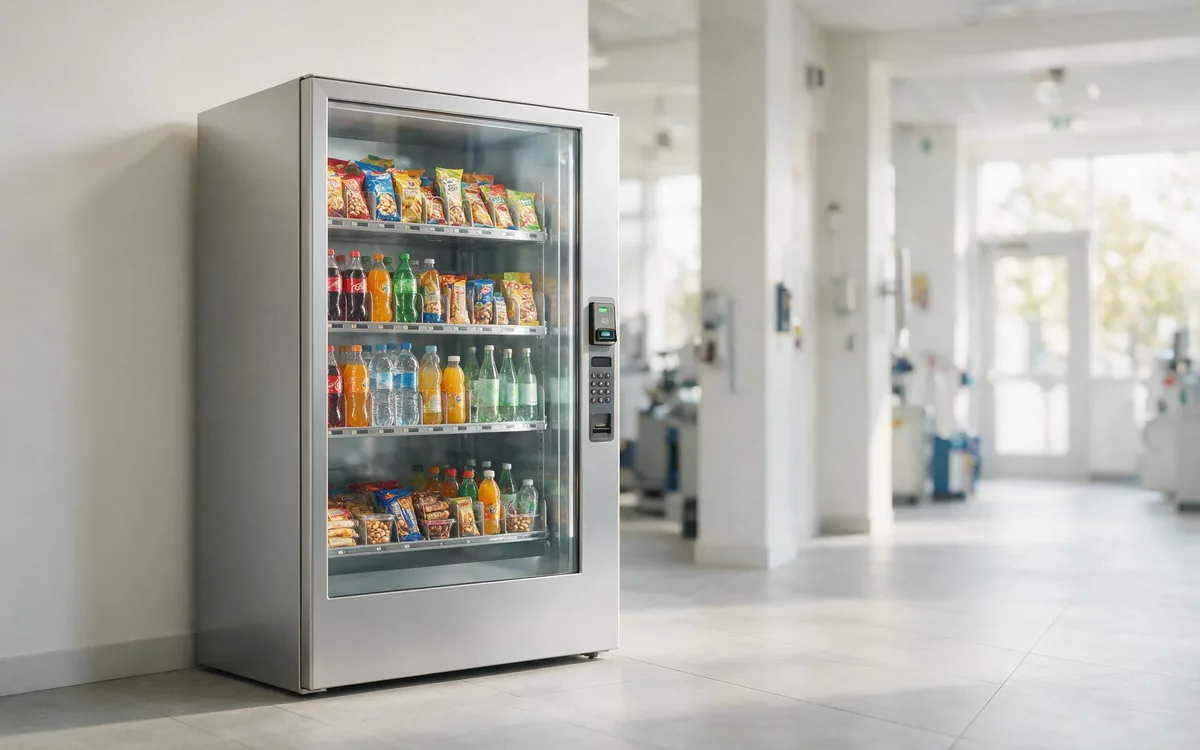
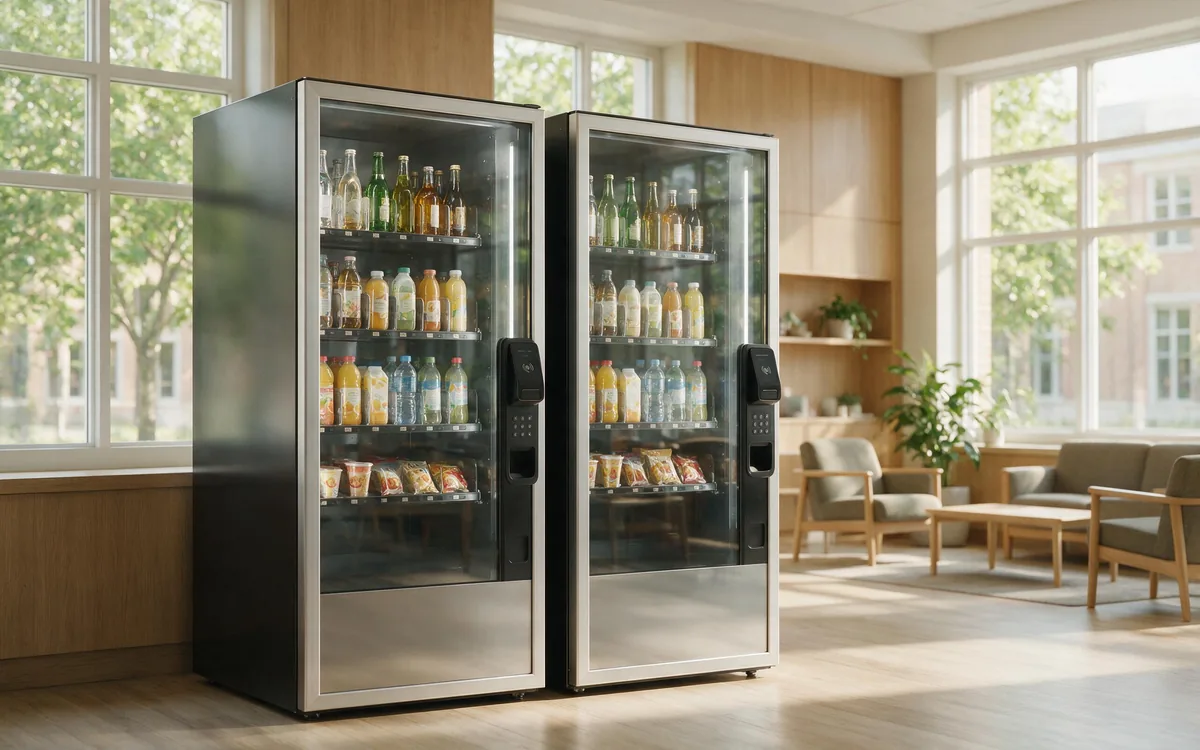
Schools run on a tight schedule, and so does student hunger. Breakfast, lunch, and after-school hours leave predictable gaps, and the demand does not stop at the cafeteria door — it follows students to the gym, the library, and the bus line. An AI vending unit placed at the right campus points gives students a quick, cashless option between meals and after school, while giving the school a self-running retail channel that requires no additional staff.
The context matters: school nutrition policies, age-appropriate product choices, and placement rules all shape what a school unit can sell. The venues that do best are secondary schools, sports facilities, and campus common areas where students already gather and where a unit does not compete with the meal plan — it fills the gaps around it.
Who you are serving
- Students. The core buyers. They are cashless-native, snack-driven, and buy in short bursts between classes and activities.
- Student athletes. High energy needs before and after practice; sports facilities are among the strongest locations.
- Staff and coaches. Teachers and coaches buy coffee, water, and snacks throughout the day, adding reliable volume.
- Parents and visitors. At games and events, they are a captive, high-margin audience.
The defining pain points are schedule gaps — the mid-morning break, after lunch, and after school — plus the reality that students expect fast, cashless, self-serve options. A unit that respects nutrition guidelines and placement rules solves these without burdening staff.
Why AI vending fits
- Student demand is frequent, predictable, and concentrated in short windows around the school schedule.
- The gaps between structured meals are real and largely unserved by staffed food service.
- A unit runs with zero additional staff, which matters in schools where labor is already stretched.
- Cashless, card-based payments match how students actually buy.
- Enclosed cabinets with automatic billing are cleaner and more accountable than open shelves in a school environment.
Peak buying windows
| Window | Who buys & what | Why it happens |
|---|---|---|
| Morning arrival & break | Water, breakfast bars, quick snacks | Students fuel up before classes and at the first break. |
| Lunch overflow (12–1 PM) | Drinks and snacks | Students who skip or miss the cafeteria line buy here. |
| After school (3–5 PM) | Snacks, drinks, hydration | The biggest window — for the ride home, practice, or homework. |
| Events & games | Water, snacks, coffee | Parents and visitors are a captive audience during evening events. |
Where to place the unit
| Location | Why it works | Best stocked with |
|---|---|---|
| Gym or sports complex | The strongest school location — athletes and spectators both buy, and demand is consistent. | Water, sports drinks, protein bars, snacks. |
| Library or study hall | Quiet, supervised, and high-traffic before and after school. | Water, snacks, study fuel. |
| Main hall or commons area | Central visibility; the natural gathering point between classes. | A balanced everyday mix. |
| Near the bus line or main exit | Catches the after-school rush on the way out. | Snacks, drinks, hydration. |
| Staff lounge (staff-only unit) | A separate small unit serves staff without nutrition-policy constraints. | Coffee, snacks, drinks. |
How to choose products for this venue
The mix depends on the school’s nutrition policy and age group. A general framework that works in most secondary schools:
| Layer | Role in the unit | Example items | Margin profile |
|---|---|---|---|
| Hydration & drinks | Traffic driver. Water is the most policy-safe and universally demanded item — make it the anchor. | Bottled water, sparkling water, low-sugar or zero-sugar drinks. | Low to mid, high frequency. |
| Snacks with a nutrition story | Profit driver. Items that pass policy review and sell well. | Granola bars, protein bars, trail mix, baked chips, fruit snacks, yogurt. | Mid to premium. |
| Event & "forgot it" items | Margin driver. High-margin purchases at events and for forgotten items. | At events: bottled water, coffee, premium snacks. General: phone cables, earbuds, pens, notebooks, calculator batteries. | Highest in the unit. |
Avoid energy drinks and heavily caffeinated products in K-12 settings — they are restricted in many districts. Keep the mix simple and policy-aligned, and review it with administration whenever it changes.
How to arrange the shelves
Students decide in seconds, and they are drawn to what is at eye level:
| Shelf zone | What goes there | Why |
|---|---|---|
| Top shelves | Chargers, school supplies, premium items | Visible, high-margin, and useful — the essentials zone. |
| Middle shelves (eye level) | Protein bars, granola bars, trail mix, popular snacks | The most natural reach zone holds the top sellers. |
| Bottom shelves | Water bottles and bulk drinks | Staples students will bend to reach. |
Keep the front row full and front-facing at all times. A half-empty shelf reads as "everything is gone" and suppresses purchases.
Running the unit well
- Restock around the school day: top up before morning break, and do the full restock after school or early the next morning. Never block the unit during lunch.
- Payments: contactless cards and mobile wallets. If the school uses a campus card, integration is a strong differentiator where the vendor supports it.
- Nutrition compliance: keep the approved product list current and never let unapproved items into the unit — trust with administration is the whole business.
- Food safety: for chilled items, use certified refrigerated units with temperature logging and date labeling.
- Data: let sales data justify additions to the approved list. "This item outsells the current mix" is a much easier conversation with administration than "can we try it?"
What success looks like
School units succeed when they are trusted as much as they are used. Track:
| Metric | What it signals |
|---|---|
| Transactions per day | The after-school window is the key benchmark. |
| Adoption and repeat rate | The share of students who buy at least once a week. |
| Policy compliance rate | The unit should never be the source of a nutrition complaint. |
| Event-day sales | Games and parent events should be visible spikes. |
| Stockout rate on core items | Running out of water at an event is a visible miss. |
Common mistakes to avoid
- Ignoring nutrition policy. The fastest way to lose the placement is stocking items the administration did not approve.
- Treating it like a convenience store. Energy drinks and candy-heavy mixes fail policy review and underperform a nutrition-led mix anyway.
- Restocking during lunch. Blocking the unit at the busiest hour is a direct revenue loss.
- Placing it out of supervised view. Schools prefer visible locations; a unit in a hidden corner invites misuse and gets removed.
- Skipping the written agreement. Placement, product list, power, and event access should all be agreed in advance.
Frequently asked questions
Are vending machines allowed in schools?
Yes, in most secondary schools, with the product mix subject to school nutrition policy. Placement and items should always be approved by administration in writing.
What products pass school nutrition review?
Water, low-sugar drinks, granola and protein bars, trail mix, baked chips, and fruit snacks. Energy drinks are restricted in most districts.
How do students pay?
Contactless cards and mobile wallets work everywhere; campus card integration is a strong plus where supported.
What is the best location on campus?
The gym or sports complex is usually the strongest, followed by the library and central commons areas. Hidden corners underperform and draw complaints.
Who handles restocking and maintenance?
The operator handles stocking, service, and payments. The school provides placement, power, and approval of the product list.