What Is a Micro Market?
Updated August 2026 · Editorial Team · 6 min read
A micro market is a small unattended store with a self-checkout kiosk. It sells more than vending, but needs more space and a stronger location.
On this page
TL;DR
A micro market is a staffless mini-store, usually in a break room or lobby, where shoppers take items and pay at a self-checkout kiosk. It sits between vending and a full convenience store.
What is a micro market?
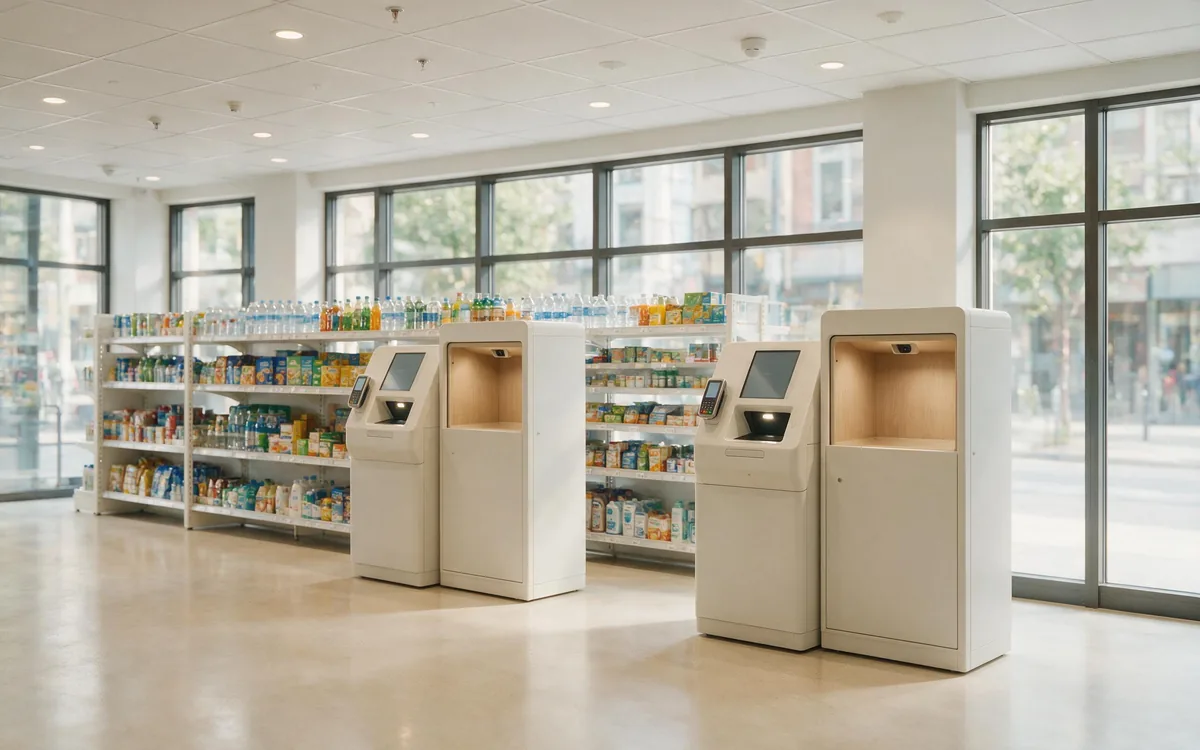
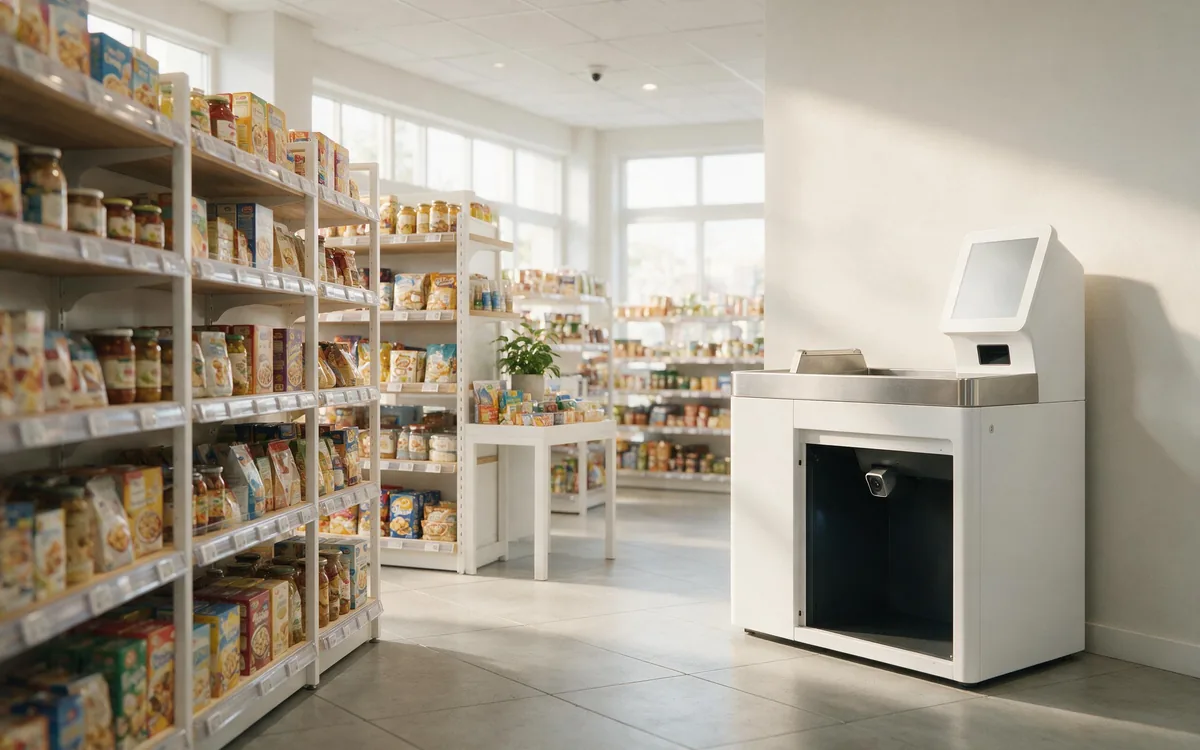
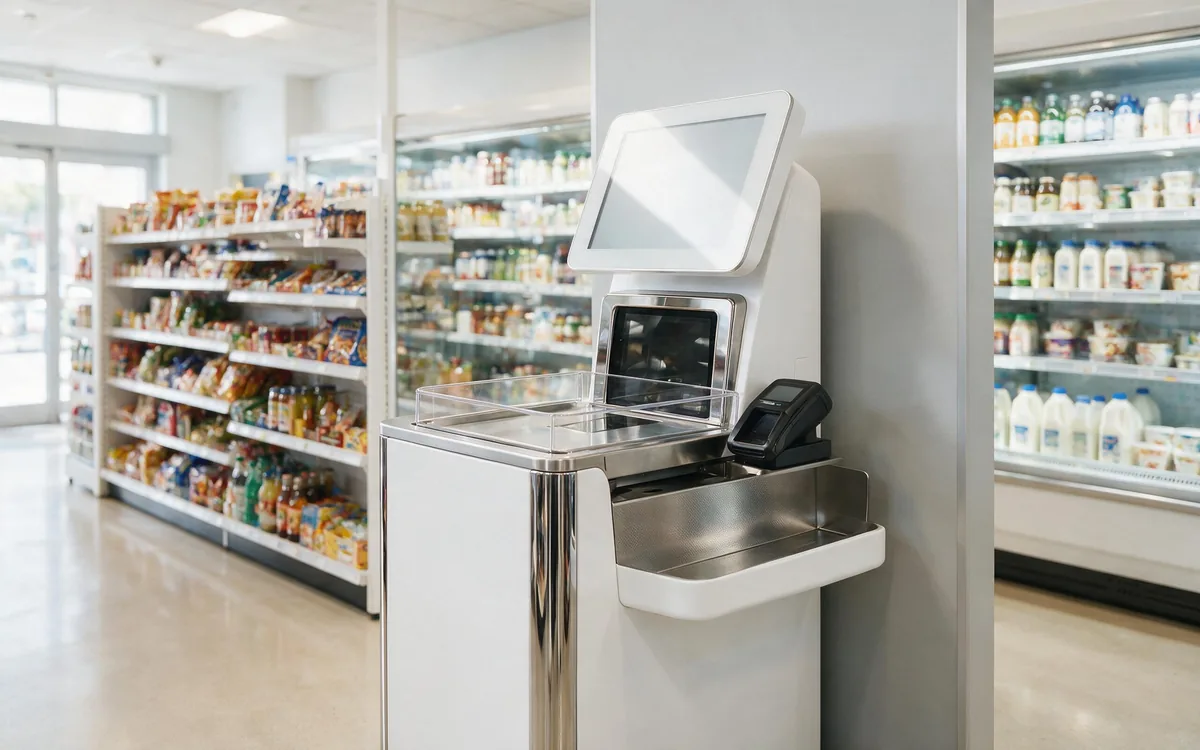
Micro markets combine open shelves and coolers with a payment kiosk. Shoppers browse like a store, then scan and pay at the kiosk. Operators get item-level sales data and remote management.
How it works
- The operator sets up shelving, coolers, and a payment kiosk in a controlled space.
- Shoppers take items and scan them at the kiosk.
- Payment is card or app based, and the kiosk validates age for restricted items.
- Inventory and sales sync to a cloud platform for restocking.
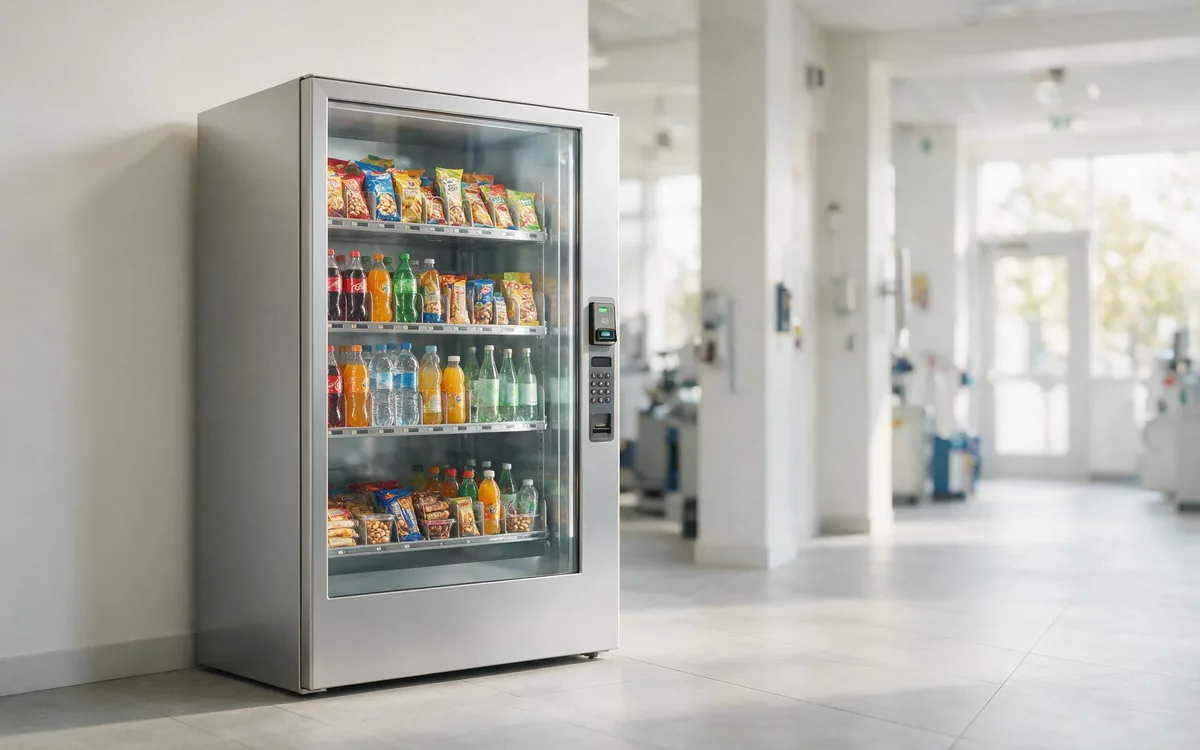
Micro market vs. AI vending
| Aspect | Micro market | AI vending |
|---|---|---|
| Space needed | Large, dedicated area | Single unit footprint |
| Selection | Wide, store-like | Shelf-sized assortment |
| Upfront cost | Higher | Lower |
| Loss risk | Higher, open shelves | Lower, enclosed unit |
| Best for | Large staff counts | Smaller or multi-point layouts |
Where they work
- Manufacturing plants and warehouses with many employees.
- Corporate offices and headquarters floors.
- Hospitals, universities, and transportation hubs.
Economics at a glance
A micro market typically needs higher daily transaction volume than a vending unit because of higher setup cost. Many operators start with vending or AI coolers, then upgrade a strong location to a micro market.
Pros vs. limitations
| Pros | Limitations |
|---|---|
| Store-like selection | Needs a dedicated space |
| Higher revenue potential | Higher shrink exposure |
| Age verification at kiosk | More complex setup |
Buying checklist
- Measure the location's traffic and purchase history before investing.
- Compare platform fees across providers like 365 Retail Markets and Micromart.
- Plan for restocking frequency and cold-chain requirements.