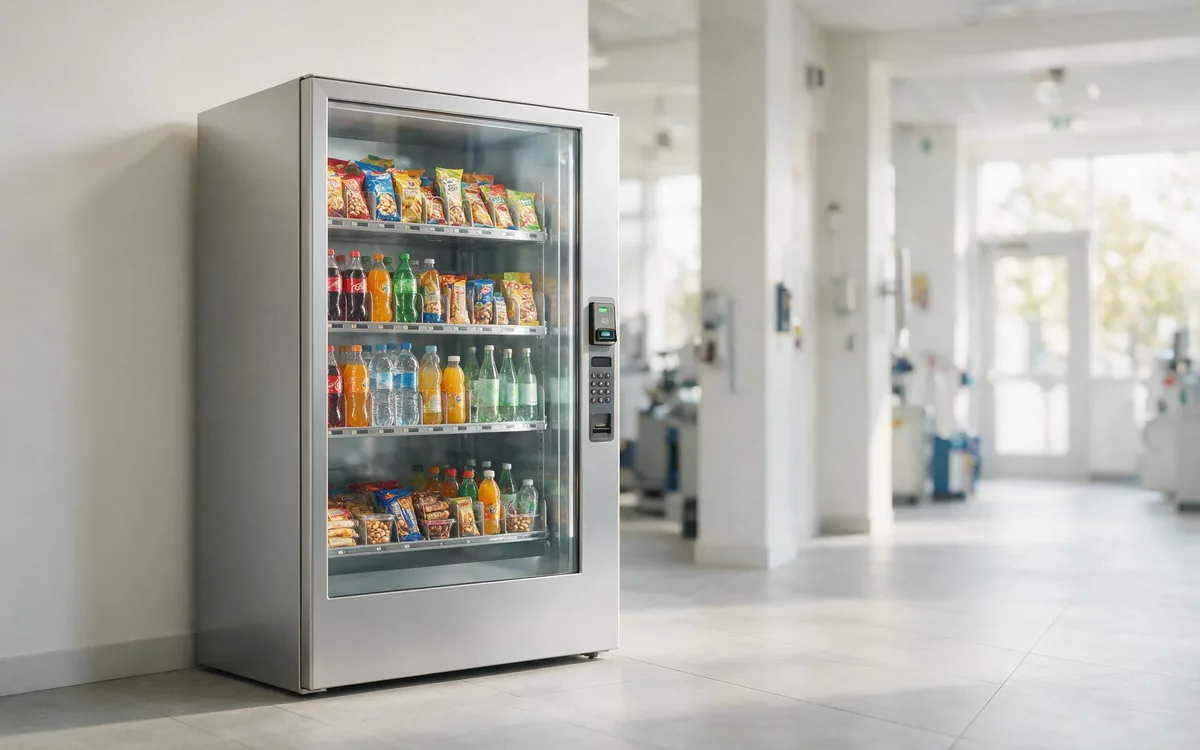
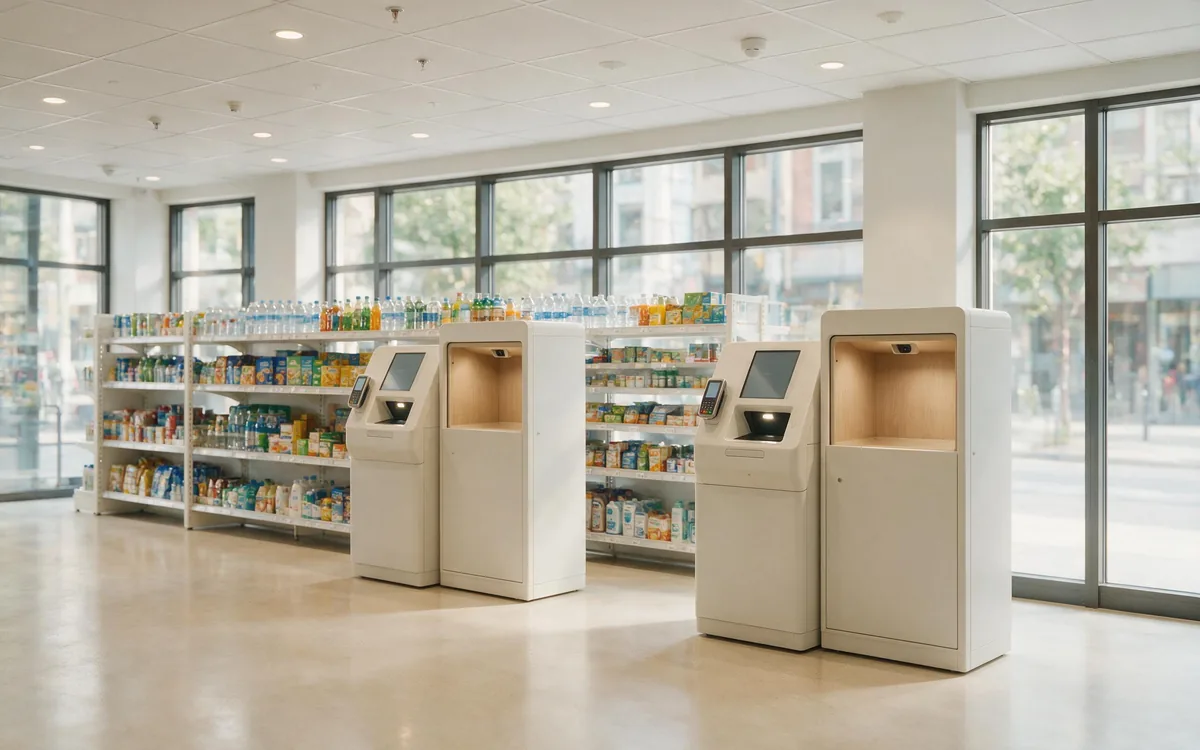
Network & Connectivity Guide for Smart Vending
Smart vending depends on connectivity for payments and telemetry. This guide compares 4G, Wi-Fi, and ethernet and explains how to plan for uptime.
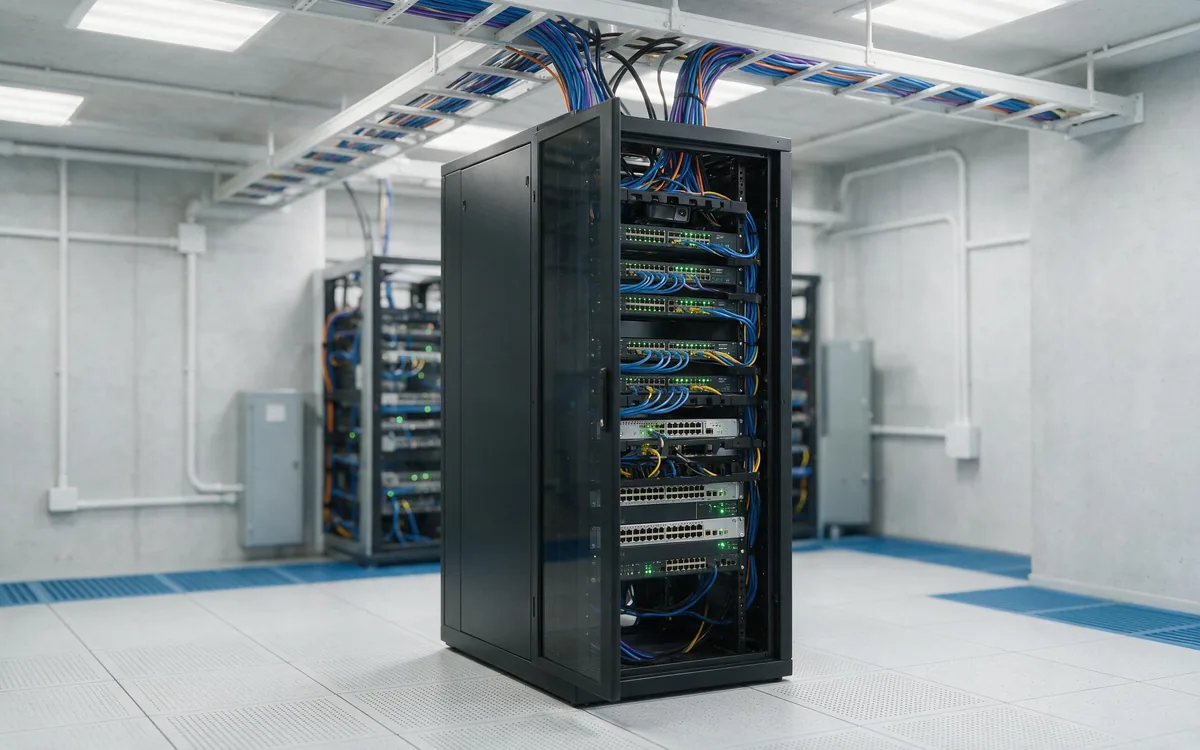
Quick answer
Use 4G as the default for flexibility, Wi-Fi where venue networks are reliable, and ethernet for fixed installations. Add a fallback plan for outages.
Connectivity options compared
| Option | Pros | Cons |
|---|---|---|
| 4G | Works anywhere | Monthly SIM cost |
| Wi-Fi | Cheap, fast | Depends on venue network |
| Ethernet | Reliable, stable | Hardwired install |
What connectivity affects
- Payment authorization at the point of sale.
- Real-time inventory and telemetry reporting.
- Remote pricing, promotions, and software updates.
Uptime planning
- Confirm whether recognition runs on-device so sales continue offline.
- Set up outage alerts so you know when a machine goes dark.
- Choose a provider with a strong regional network where your units are located.
Troubleshooting basics
- Check the venue's Wi-Fi password and signal strength first.
- Reboot the CPE device or router.
- Verify SIM data balance for 4G units.
- Escalate to the vendor with the unit ID and error code.