Smart Retail & AI Vending · Independent media
Building the Future of Autonomous Retail
The independent resource for understanding, launching, and scaling AI vending operations.
36+
Guides, reports & tools
9
Venue deployment guides
9
Vendor profiles, neutral
100%
Independent editorial
Learn the basics
Knowledge base
Start here if you are new to AI vending. These pages stay useful for years.
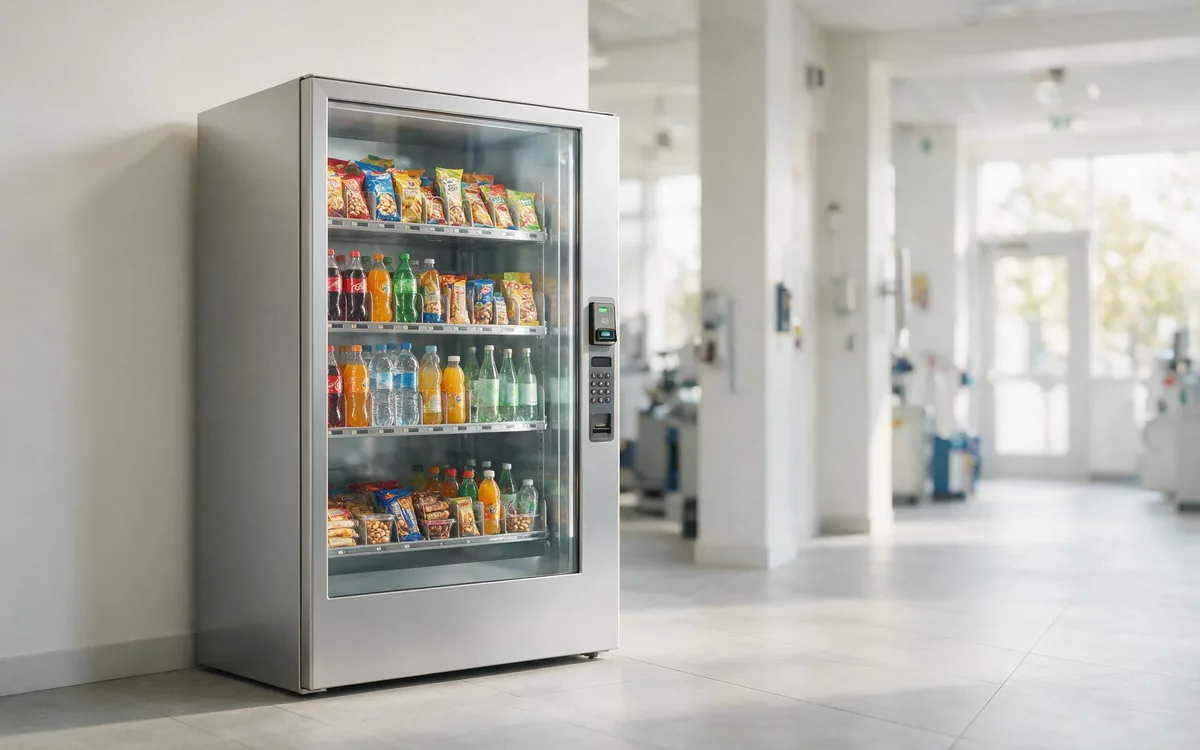
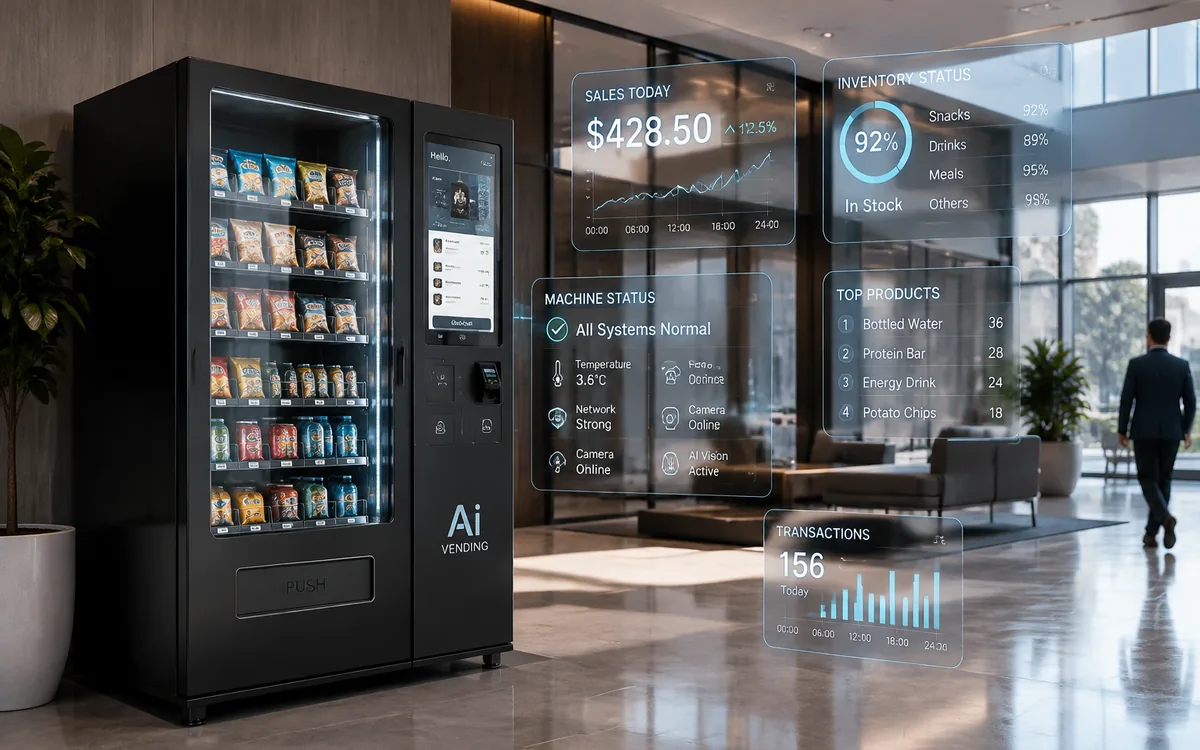
What Is AI Vending?
AI vending is unattended retail where computer vision (or smart lockers) identifies what a customer takes and charges automatically. No dials, coils, or cash drawers.
Updated August 2026 · 6 min read
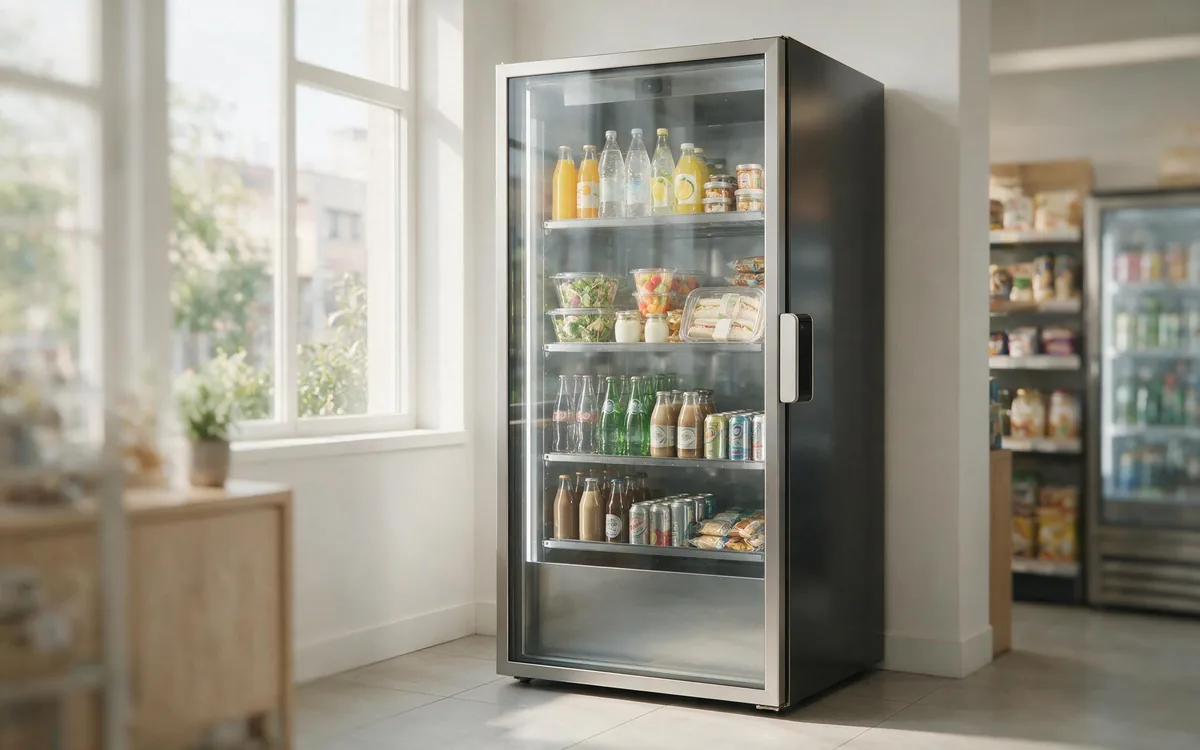
What Is a Smart Cooler?
A smart cooler is a vision-enabled glass-door fridge that charges shoppers automatically. It is the most popular AI vending form factor today.
What Is Computer Vision in Retail?
Computer vision lets cameras identify products and actions. In retail it powers checkout-free stores, AI vending, loss prevention, and shelf analytics.
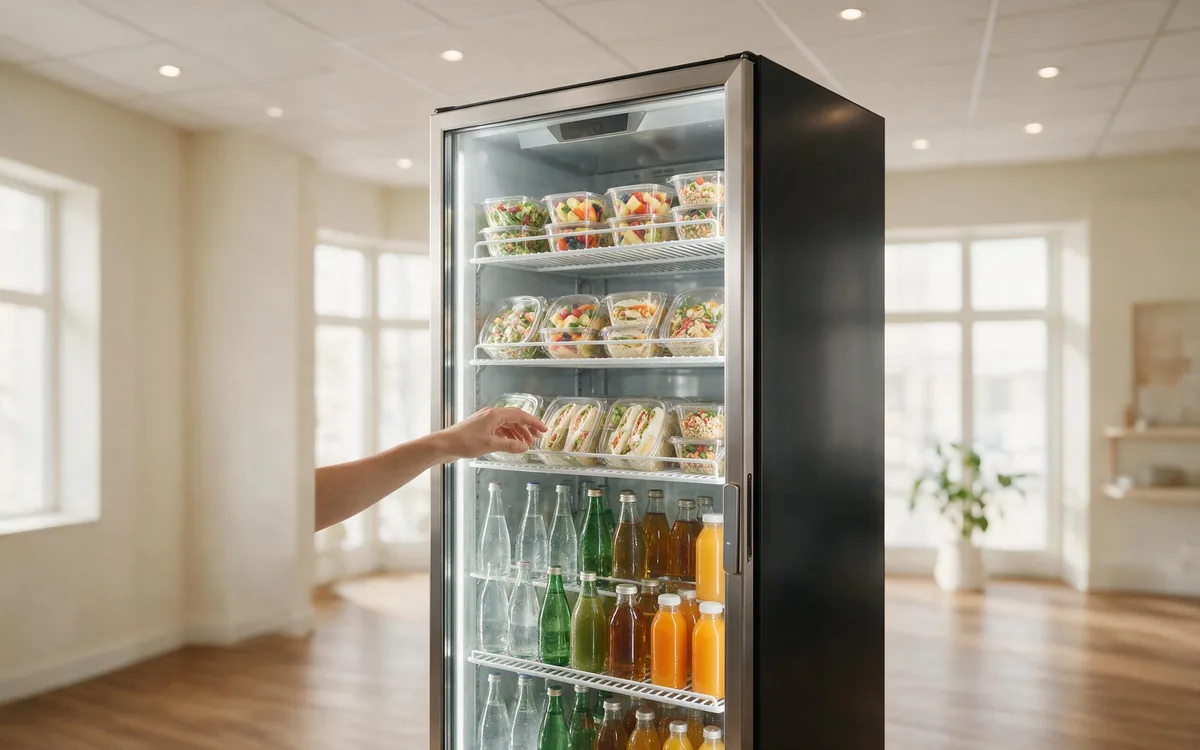
What Is Grab-and-Go Retail?
Grab-and-go means shoppers take items and get charged automatically. It is the shopper experience behind AI vending, smart coolers, and checkout-free stores.
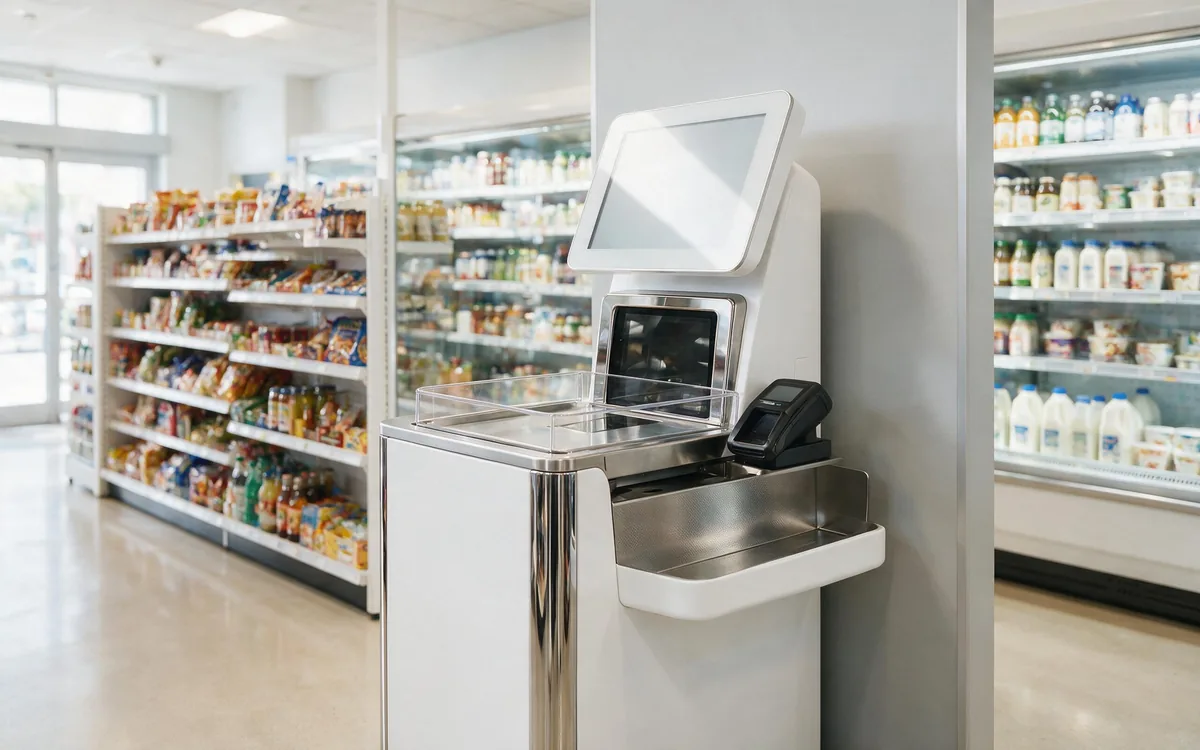
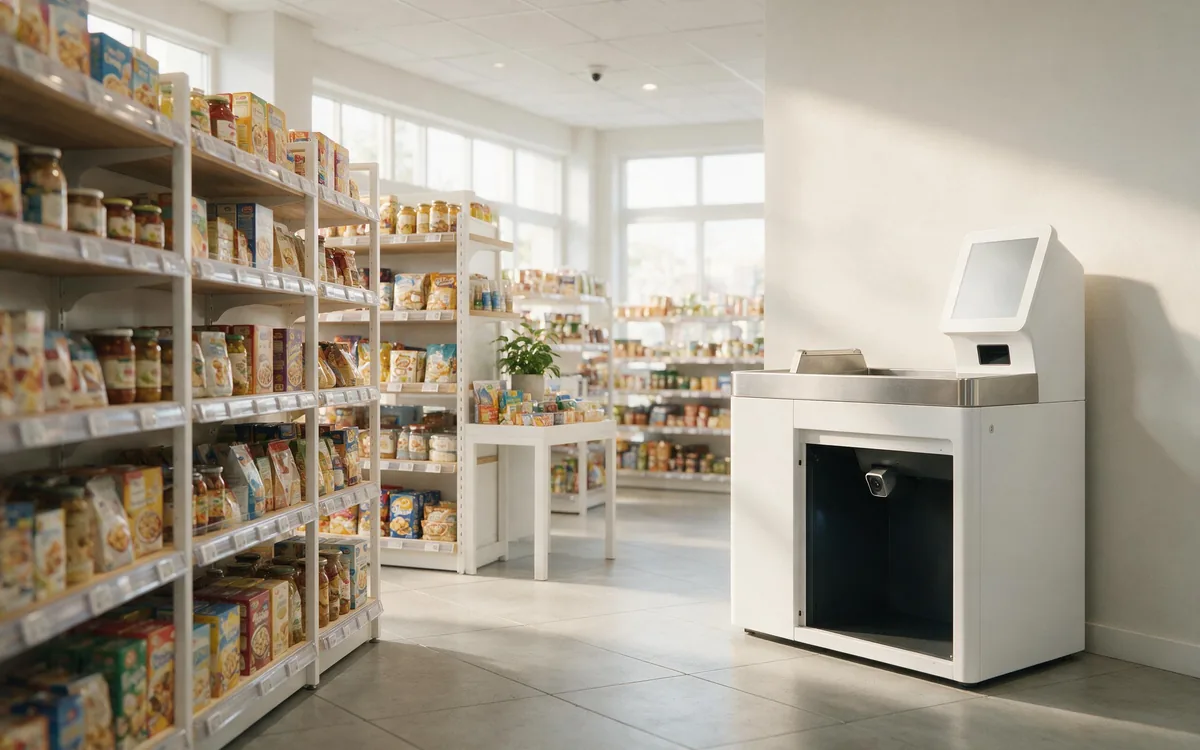
What Is a Micro Market?
A micro market is a small unattended store with a self-checkout kiosk. It sells more than vending, but needs more space and a stronger location.
Decide
Comparisons
Neutral side-by-sides. We do not sell hardware, so we do not take sides.
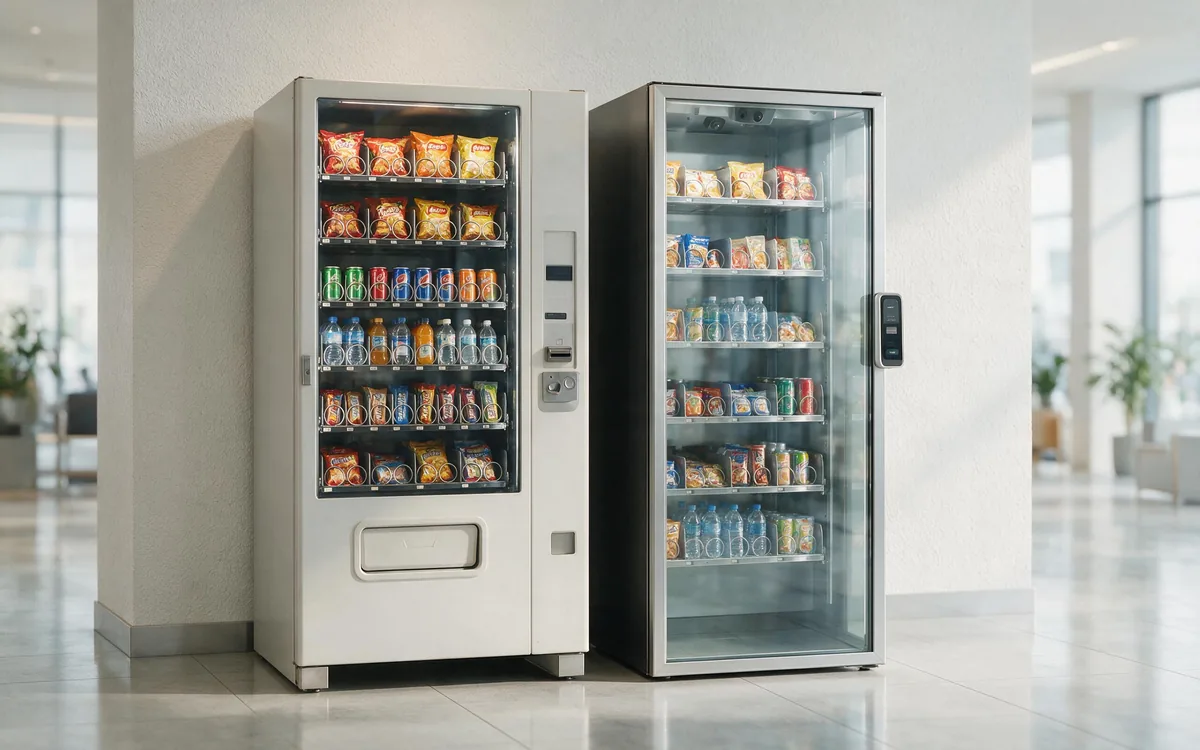
AI Vending vs. Spiral Vending: Which Fits Your Operation?
Spiral machines are cheap and proven; AI vending sells more and fails less mechanically. The right choice depends on location, products, and budget.
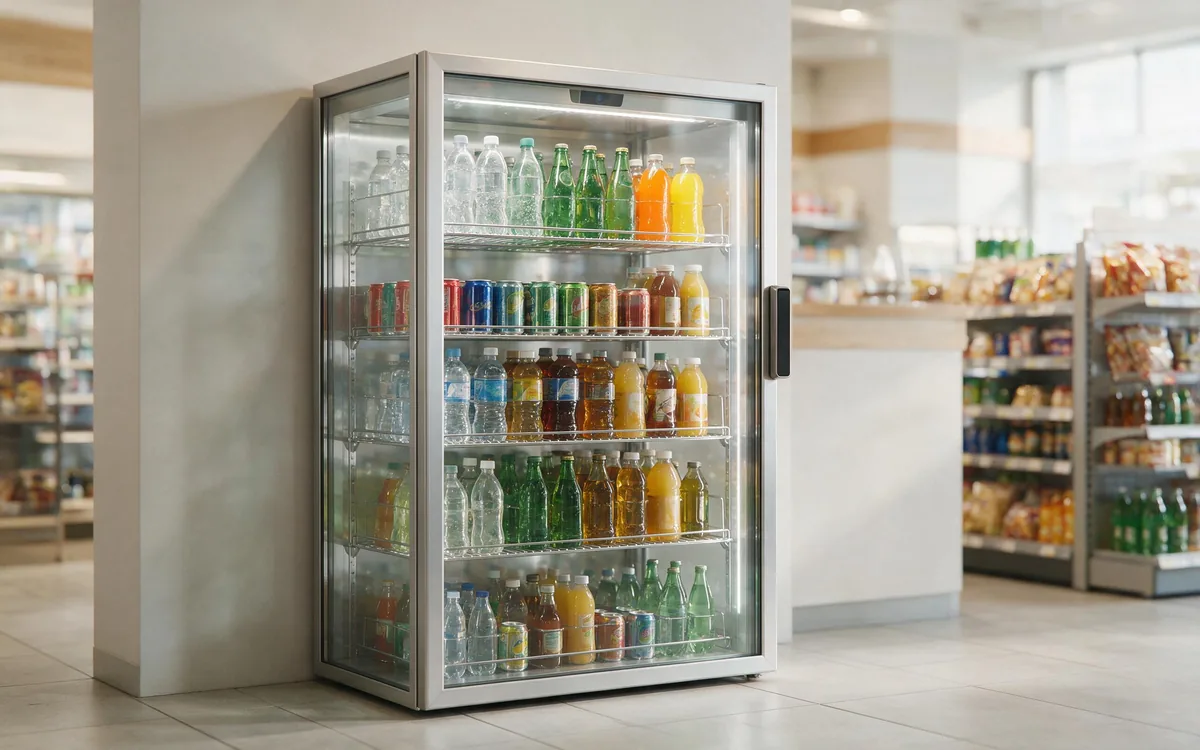
Smart Cooler vs. Traditional Cooler: What You Actually Gain
A traditional cooler is just refrigeration. A smart cooler adds vision, payment, and data. The premium makes sense where unattended sales are real.
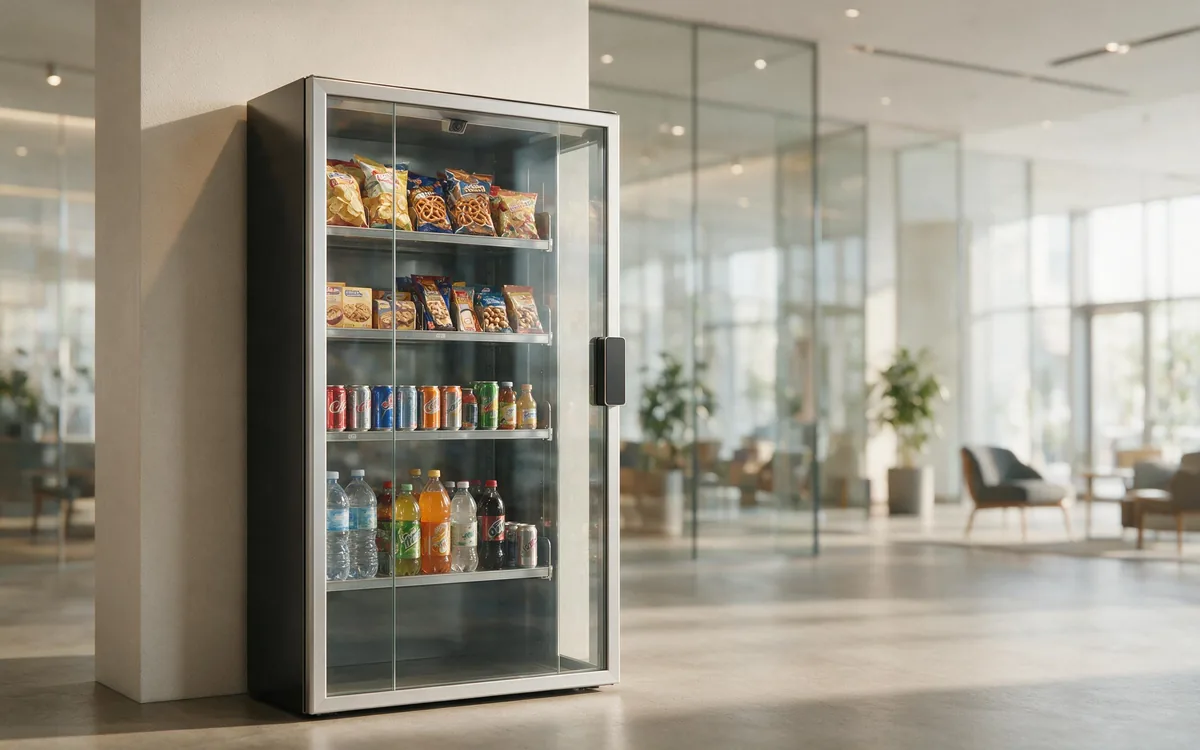
Haha vs. TCN: Two Routes to AI Vending
Haha and TCN both sell vision-based AI vending hardware but approach the market differently. Compare them on products, tech, and service before choosing.
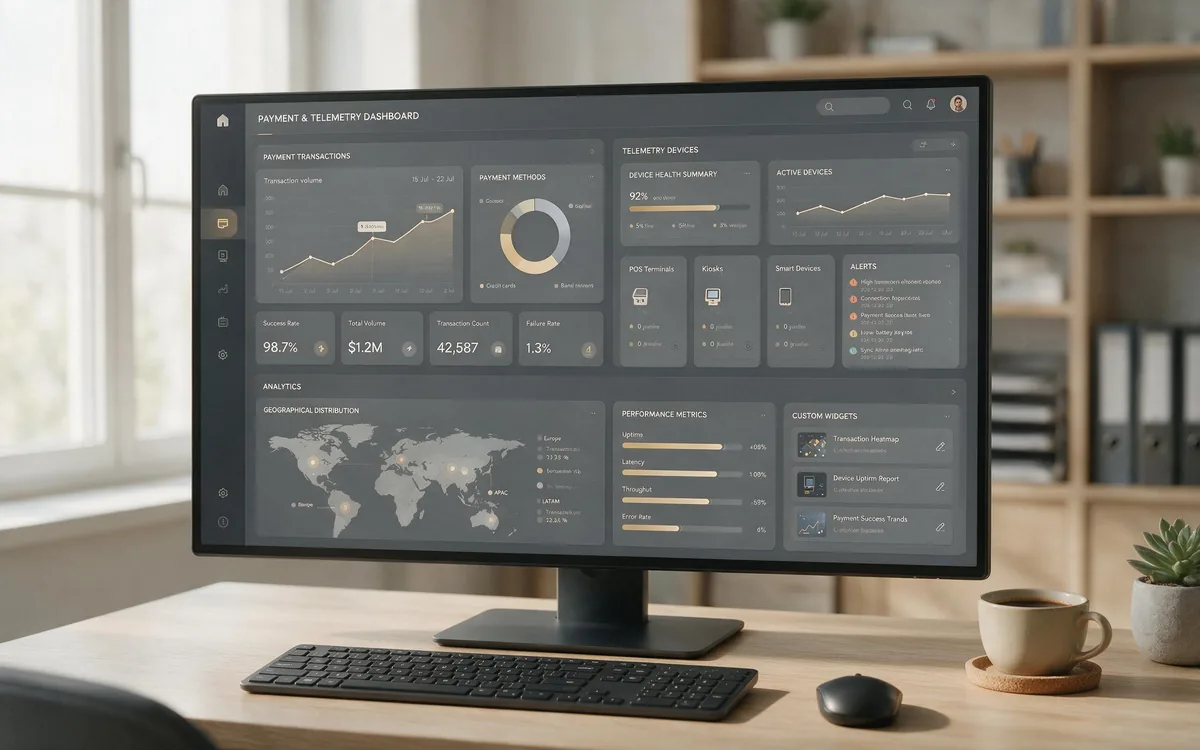
Nayax vs. Cantaloupe: Payment & Telemetry Platforms Compared
Nayax and Cantaloupe are the two big payment and telemetry platforms for unattended retail. Both work well; the fit depends on hardware, fees, and region.
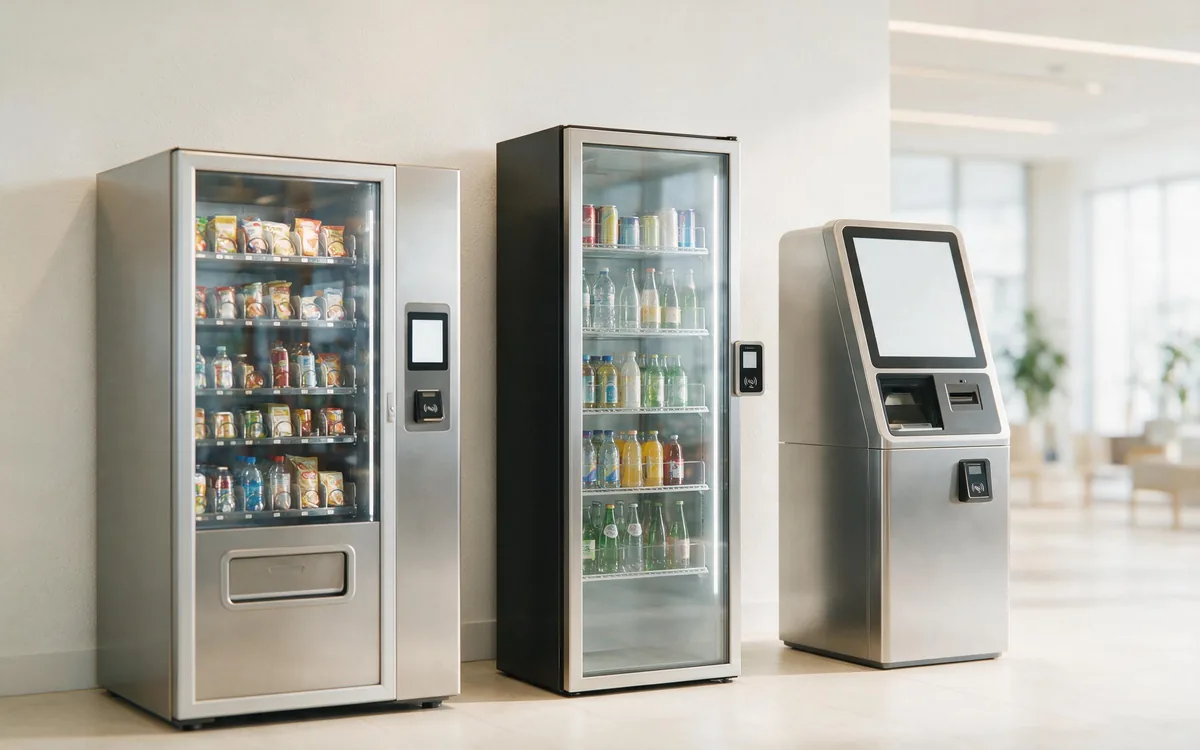
AI Vending vs. Micro Market: Which Format Fits Your Location?
AI vending is a single unit; a micro market is a mini-store. The format decision should follow location traffic and space, not vendor preference.
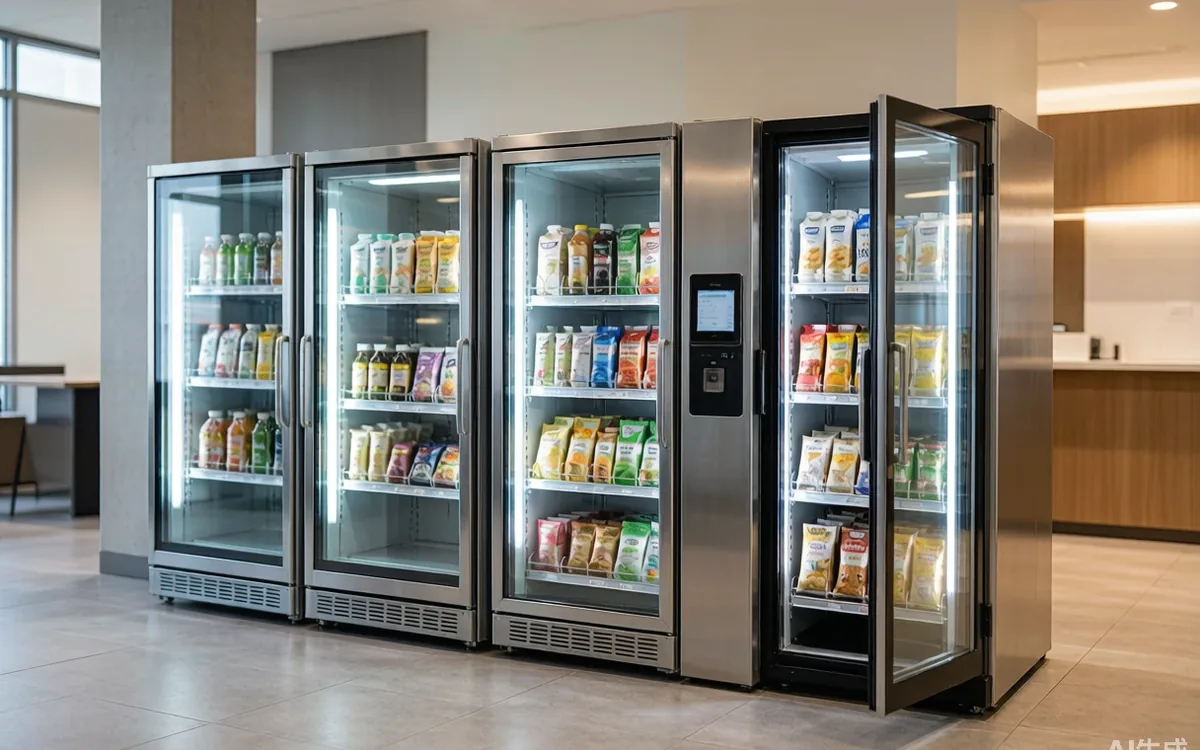
365 Retail Markets vs. Micromart: Micro-Market Platforms Compared
365 Retail Markets powers kiosk-led micro markets; Micromart builds vision-powered smart stores. Compare the two unattended retail models before choosing.
Who's who
Company directory
Profiles of the vendors shaping AI vending, written for buyers, not for marketing.

Micromart
Autonomous smart micro-stores for busy buildings

365 Retail Markets
Micro markets, kiosks, and AI smart coolers

Vendera
AI smart coolers built for simplicity

XMAI Vending
AI vending machines with cloud management

QINGO
Smart self-serve cabinets with RFID and vision

SandStar
AI vending and store solutions with edge vision
TCN Vending Machine
Broad vending catalog with AI smart fridges

Haha Vending
AI vending machines and smart fridges, global

Grabot
AI smart coolers with on-device computer vision
By venue
Deployment guides
How to pick the right product mix, format, and location for nine high-traffic venue types.
Apartment Buildings
Residents shop daily for essentials and late-night cravings, so an unused lobby corner becomes 24/7 convenience retail.
Factories
Shift workers need food, drinks, and safety essentials around the clock — beyond what cafeterias serve.
Schools & Campuses
Students are on campus before, between, and after meal times. AI vending captures every gap between structured meals.
Hospitals
Shift rotations and unpredictable visitor hours beyond cafeteria service.
Airports
High traffic, time pressure, and security-controlled spaces.
Hotels
24/7 guest convenience in lobbies, gyms, and pool areas.
Offices
Break-room convenience that cuts queues and improves satisfaction.
Gyms
Loyal members and predictable post-workout demand.
Construction Sites
Remote sites, short breaks, and no nearby retail — fuel and safety gear on site 24/7.
Plan the rollout
Tools & resources
Decision-grade checklists, SOPs, and calculators you can put to work today.
AI Vending ROI Calculator
Adjust machines, transactions, order value, margin, and costs to estimate monthly profit and payback for an AI vending deployment.
How Much Does AI Vending Cost?
AI vending costs $6,000 to $15,000 per unit upfront plus $20 to $80 per machine monthly in software, payment, and connectivity fees.
Location Selection Guide for AI Vending
Location decides success more than hardware. This guide scores candidate sites on traffic, dwell time, utilities, and deal structure.
AI Vending Buyer's Checklist
Use this checklist before signing any AI vending purchase: verify accuracy, total cost, service coverage, and contract terms.
Industry intelligence
Market reports
Macro trends, market sizing, and the 3-5 year path for unattended retail.
Quick answers
Frequently asked questions
What is AI Vending Hub?
An independent media site covering smart retail and AI vending: explainers, buyer's guides, comparisons, and a company directory.
Do you sell vending machines?
No. We publish neutral industry content and connect readers with verified vendors only when they ask.
Who is this site for?
Operators, venue owners, distributors, and investors researching unattended retail in North America.
How do I get pricing?
Use the Book a Demo popup on any page. Tell us your location, product mix, and volume and we will point you to the right vendors.
Planning a deployment
Not sure where to start with AI vending?
Tell us your venue, product mix, and volume — we'll point you to the right vendors and answer pricing questions.